As the height of sea turtle nesting season washes over the Treasure Coast, local conservation group Coastal Connections is sending out an urgent plea to the public. While the simultaneous nesting and hatching of thousands of sea turtles is a celebrated annual event, a dramatic increase in human disturbance at night is leading to an unprecedented number of failed nesting attempts, or “false crawls.”
The loggerhead, green and leatherback sea turtle nesting season generally runs from March through October in Florida, with a majority of them coming ashore to lay their eggs between May and July.
Data curated for the Indian River County Habitat Conservation Plan for nesting sea turtles on our local beaches indicates that as of Aug. 15, there have been 78 leatherback, 6,578 loggerhead and 3,409 green sea turtle nests, for a total of 10,065.
Sea turtles typically return to the beach where they were born to lay their eggs. However, if disturbed during the nesting process, by lights, noise or other types of interference, the sea turtle will return to the sea. She might even dump her eggs into the ocean where, as sea turtle eggs need oxygen to develop, they will perish.
“Right now, we are at the peak of sea turtle nesting season. Not only are the majority of our turtles still nesting, all our nests are beginning to hatch as well,” said Kendra Bergman, Coastal Connections founder and executive director.
“We’re seeing both the oldest and the youngest life stages appear on our beaches, which is keeping our turtle team very busy,” she added.
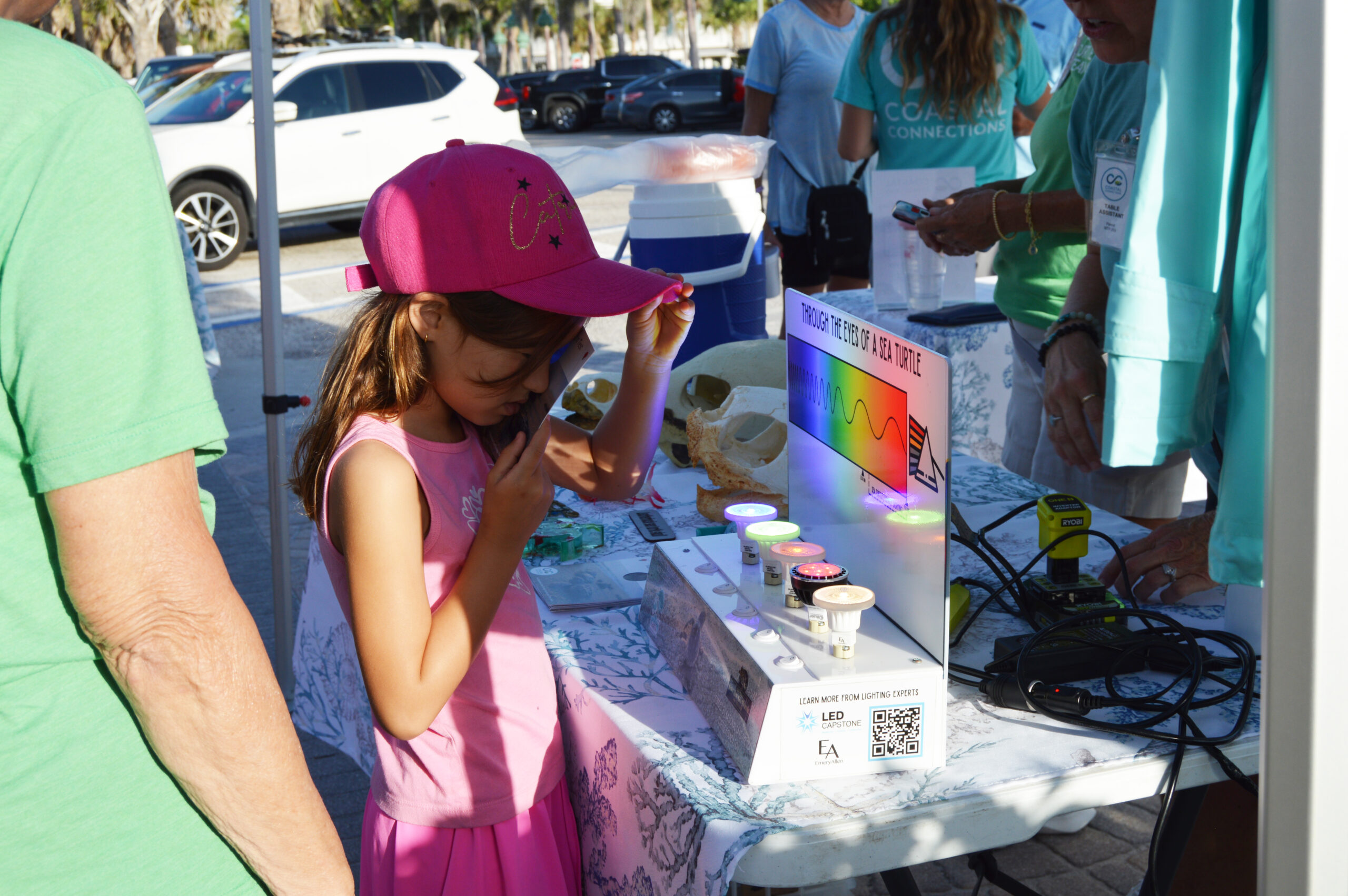
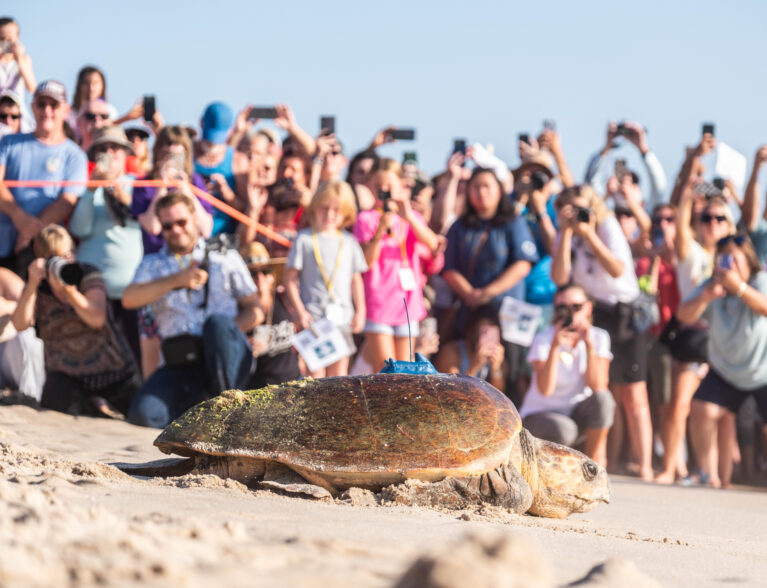
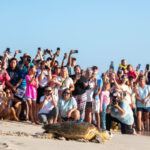
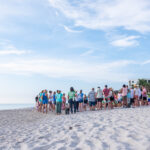
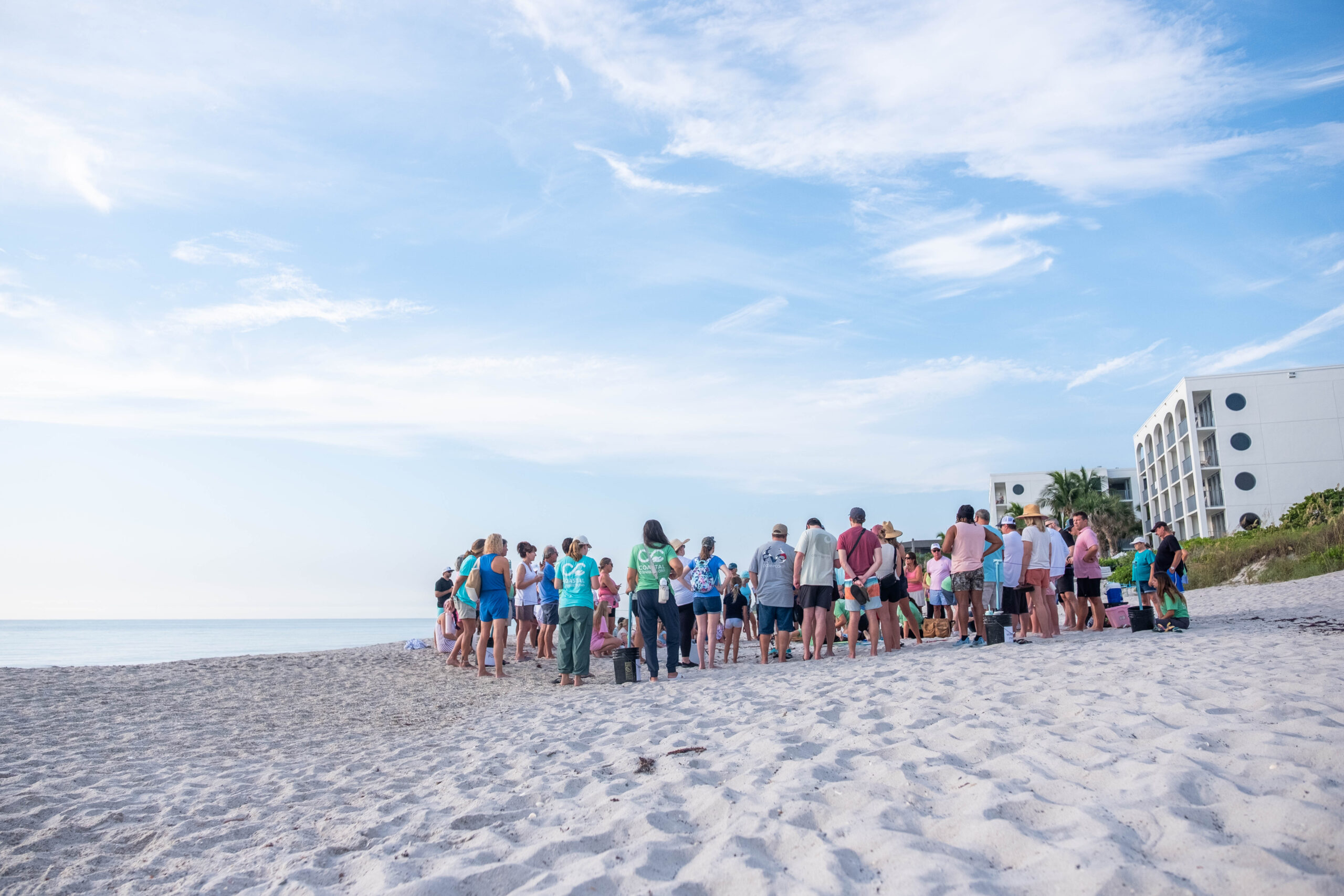
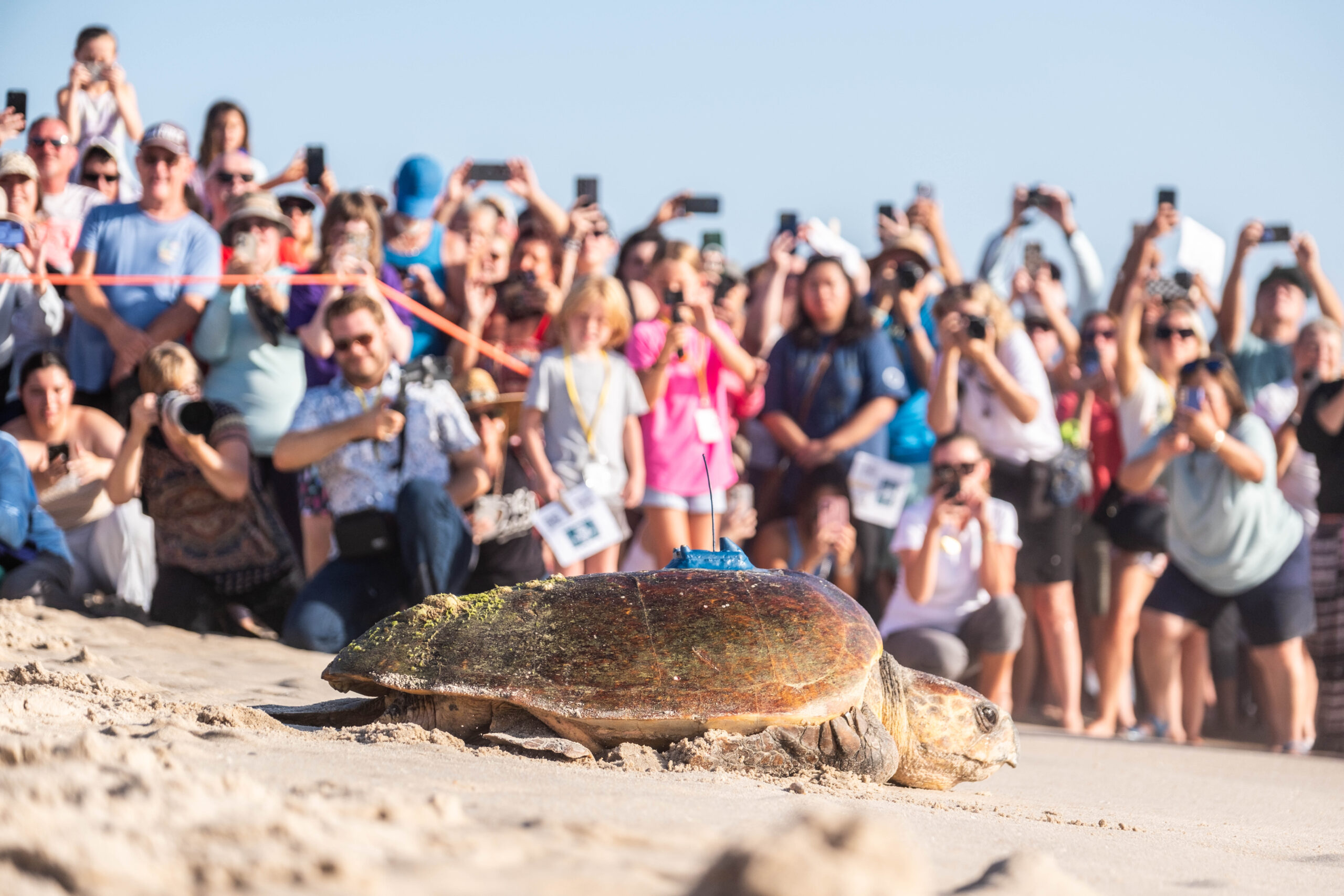
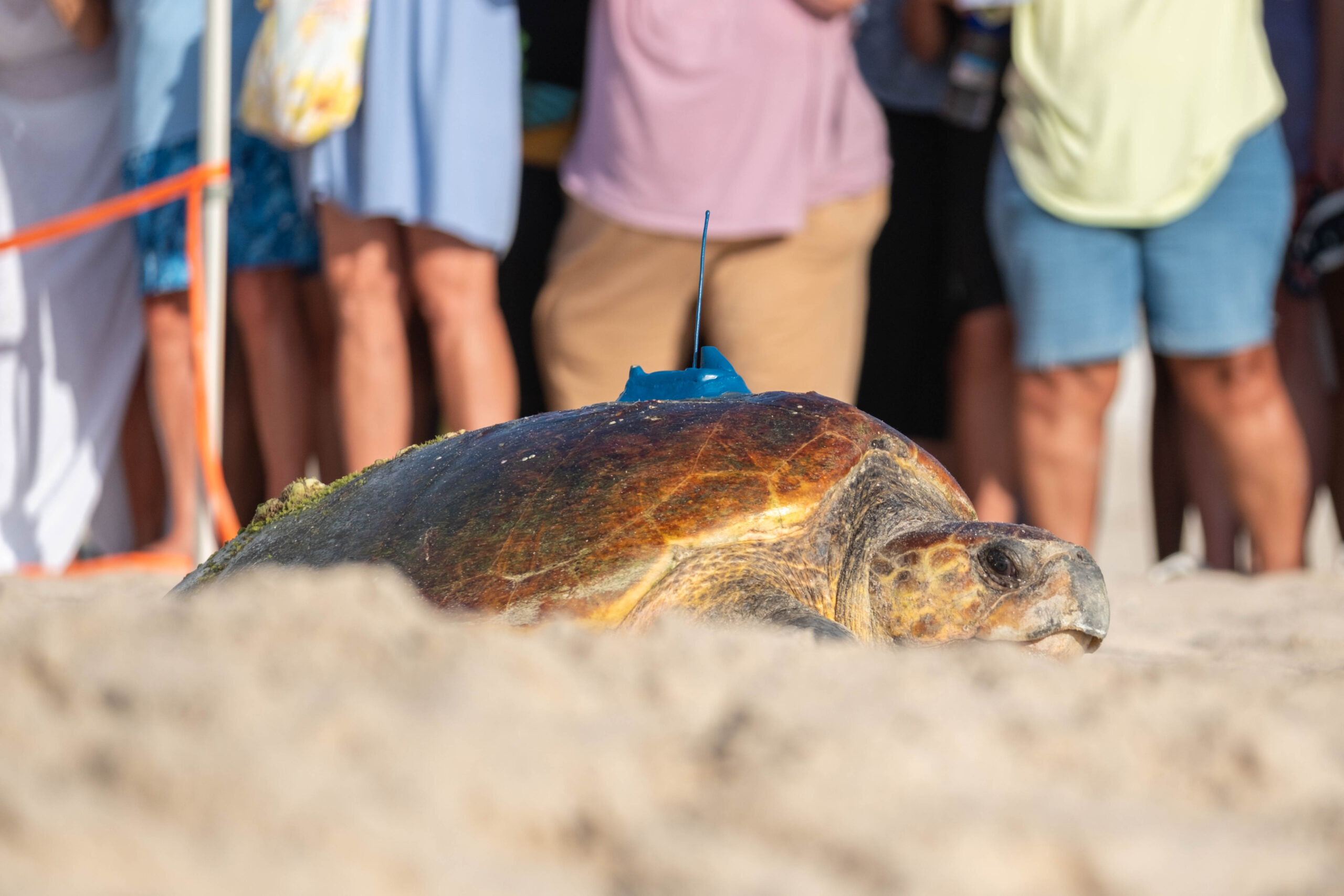
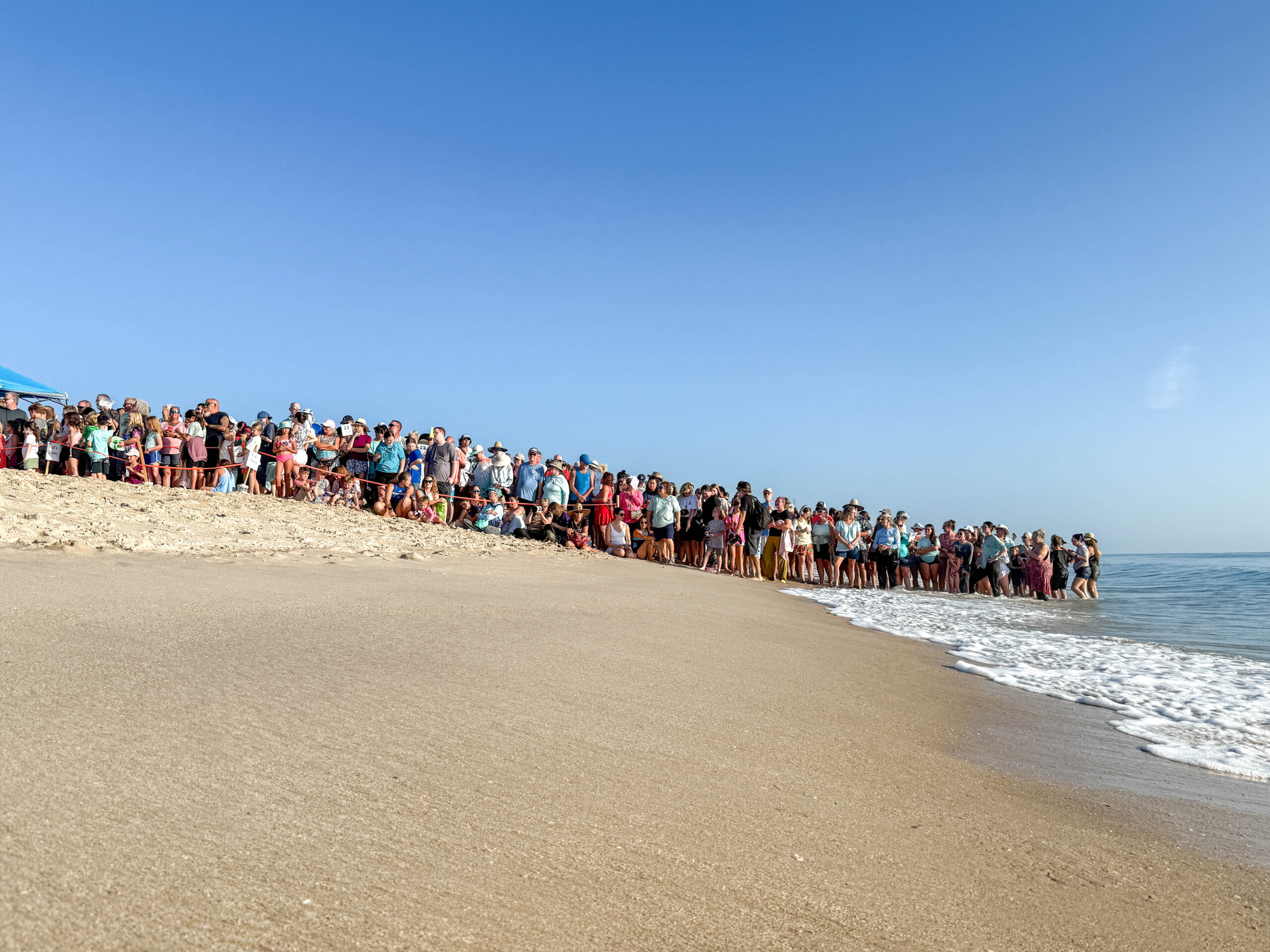
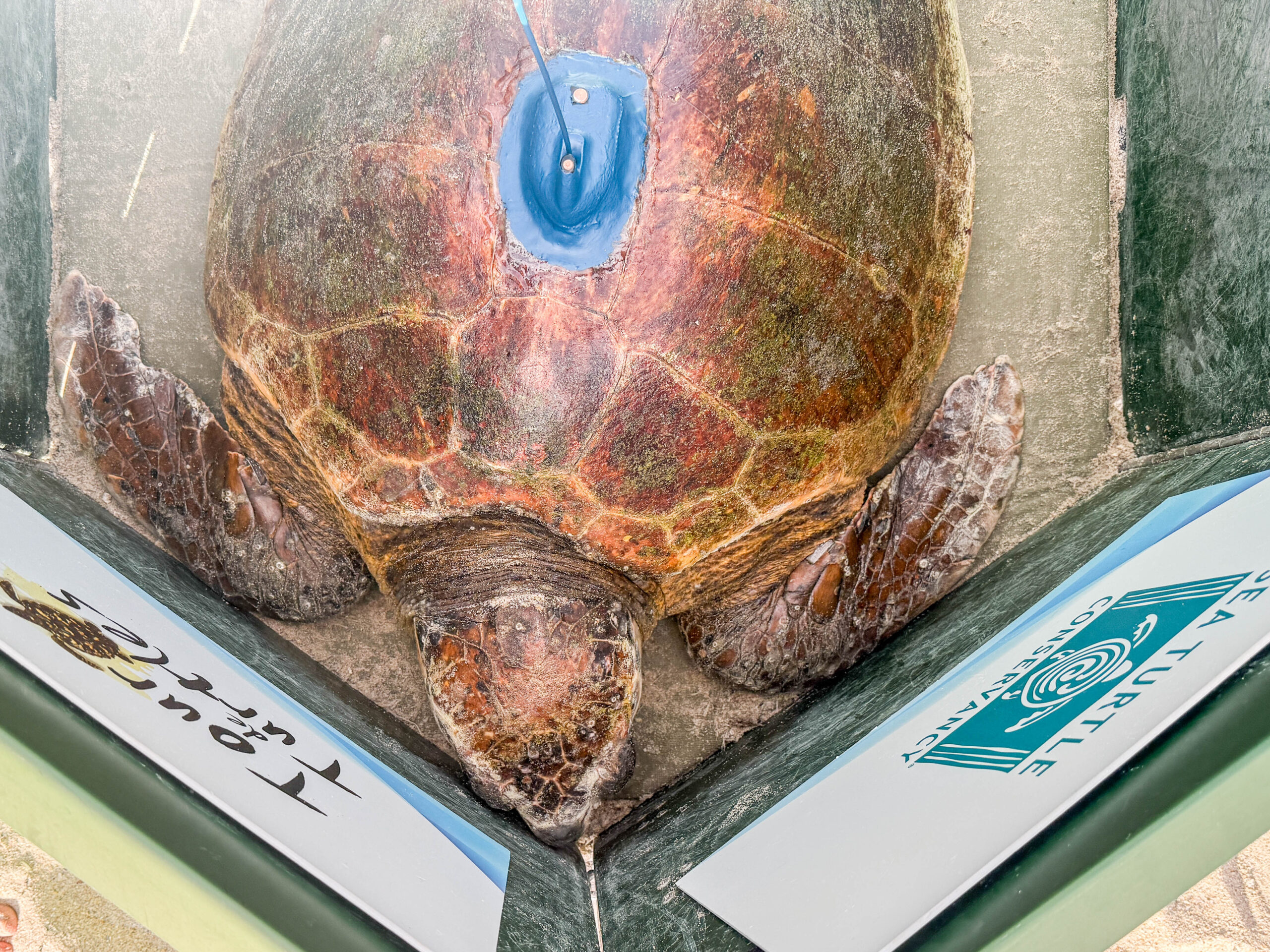
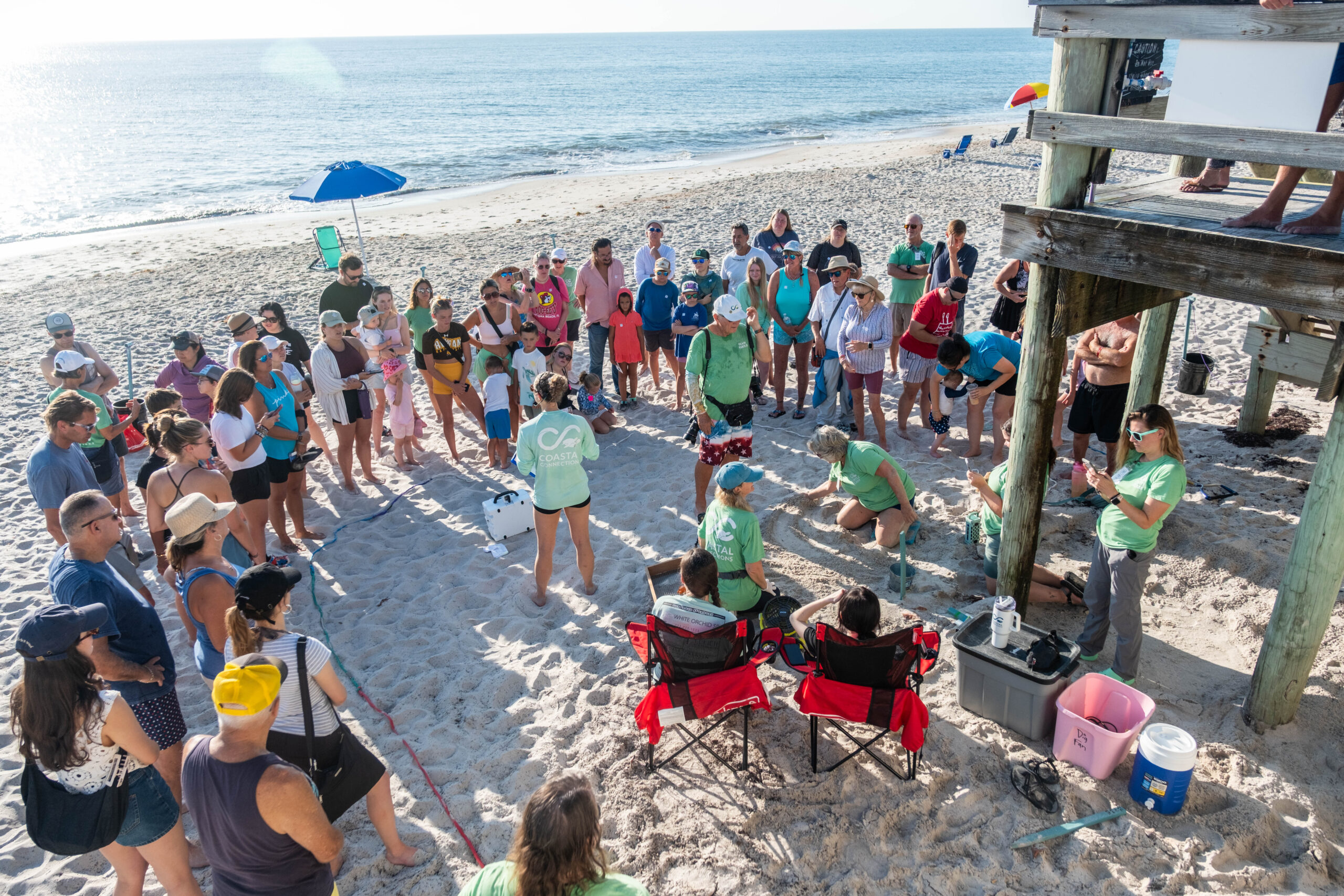
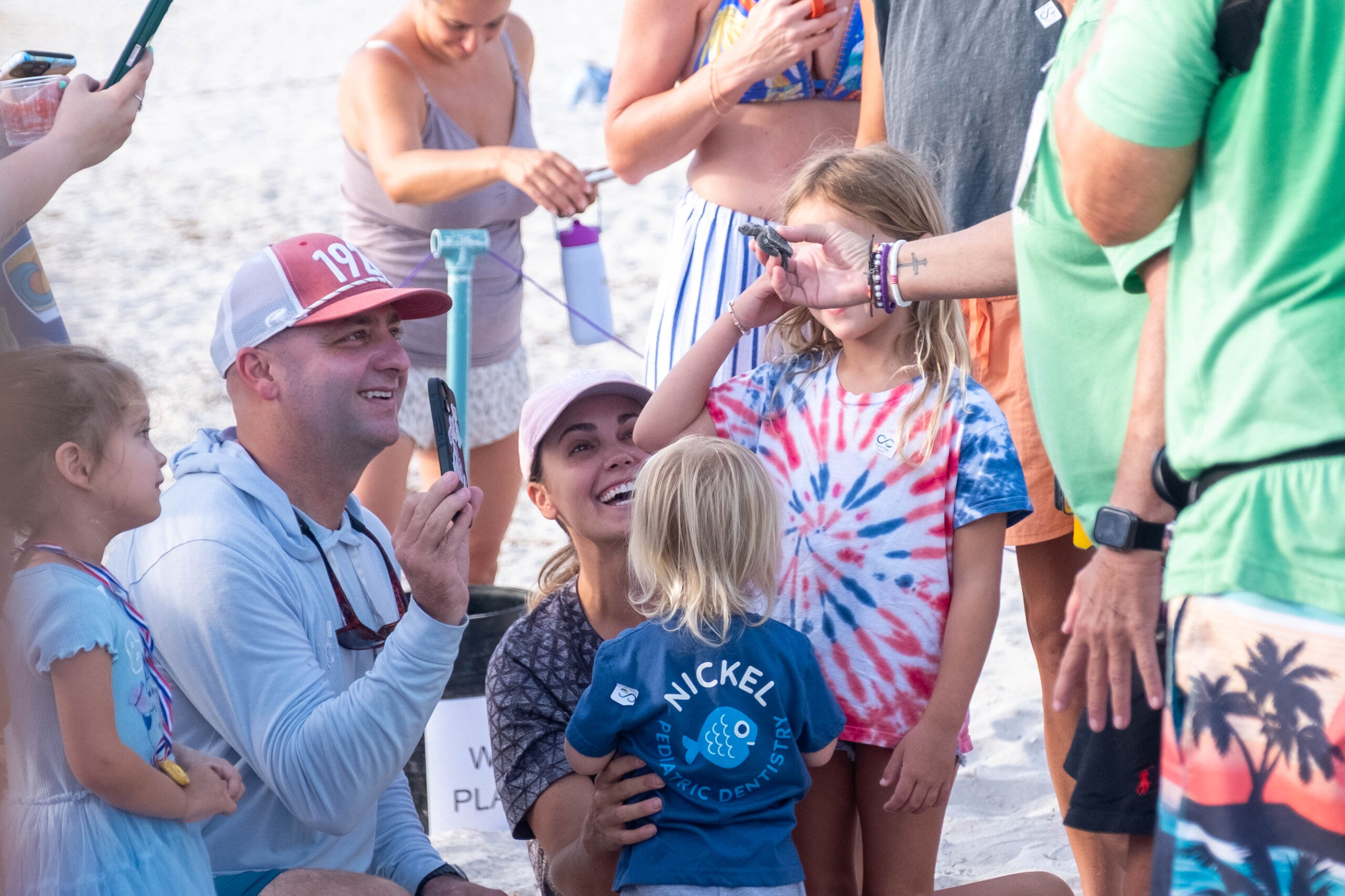
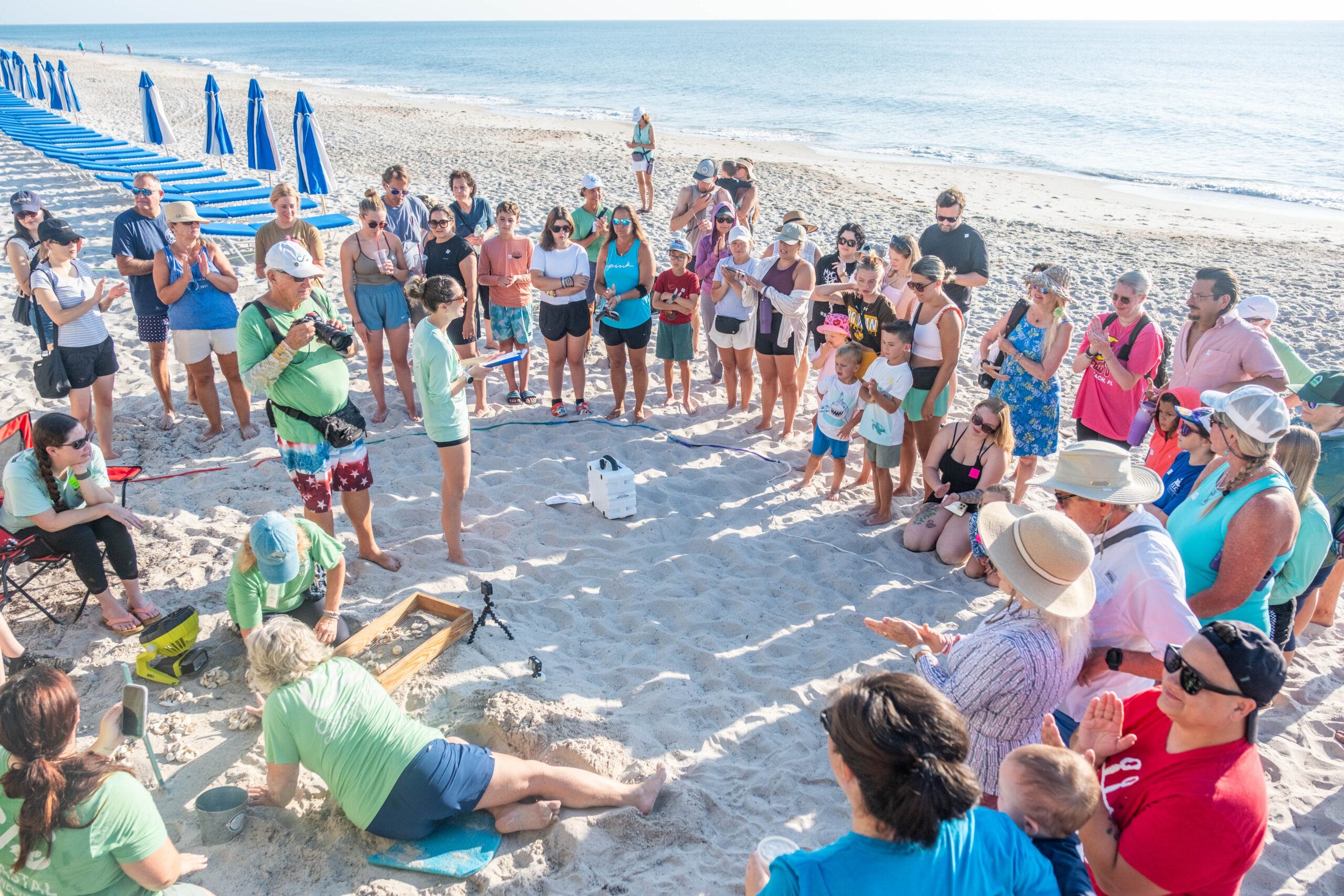
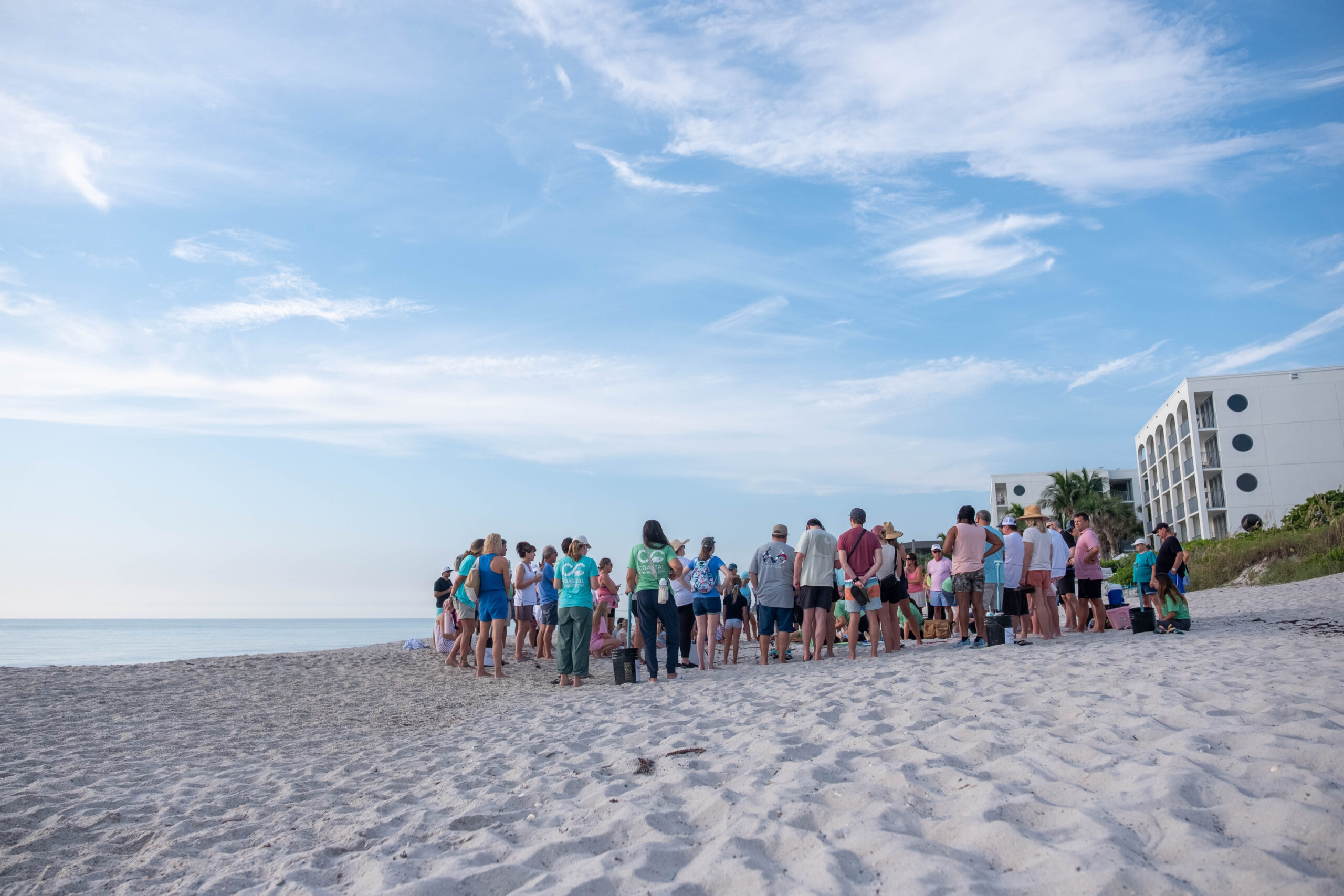
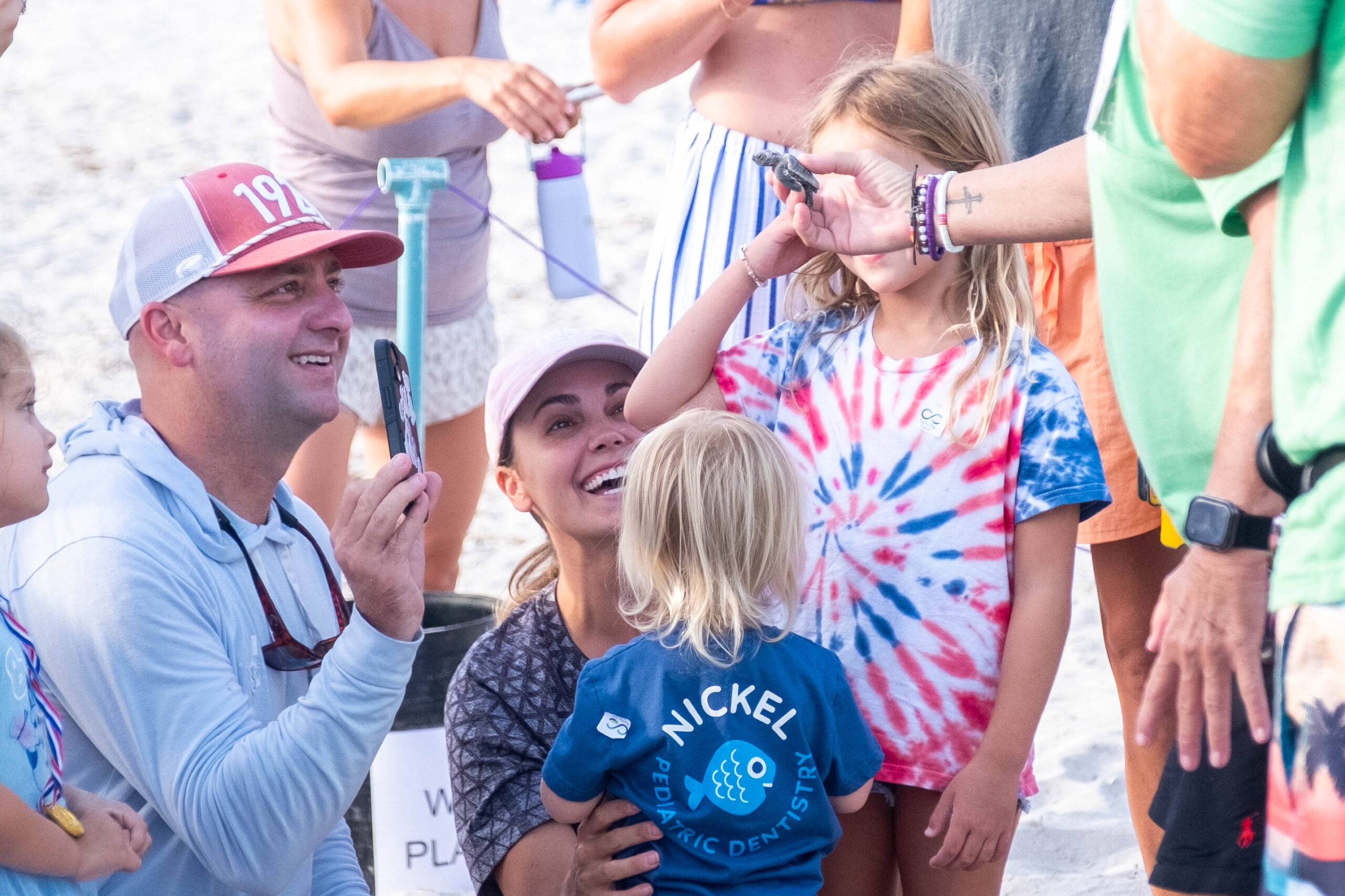
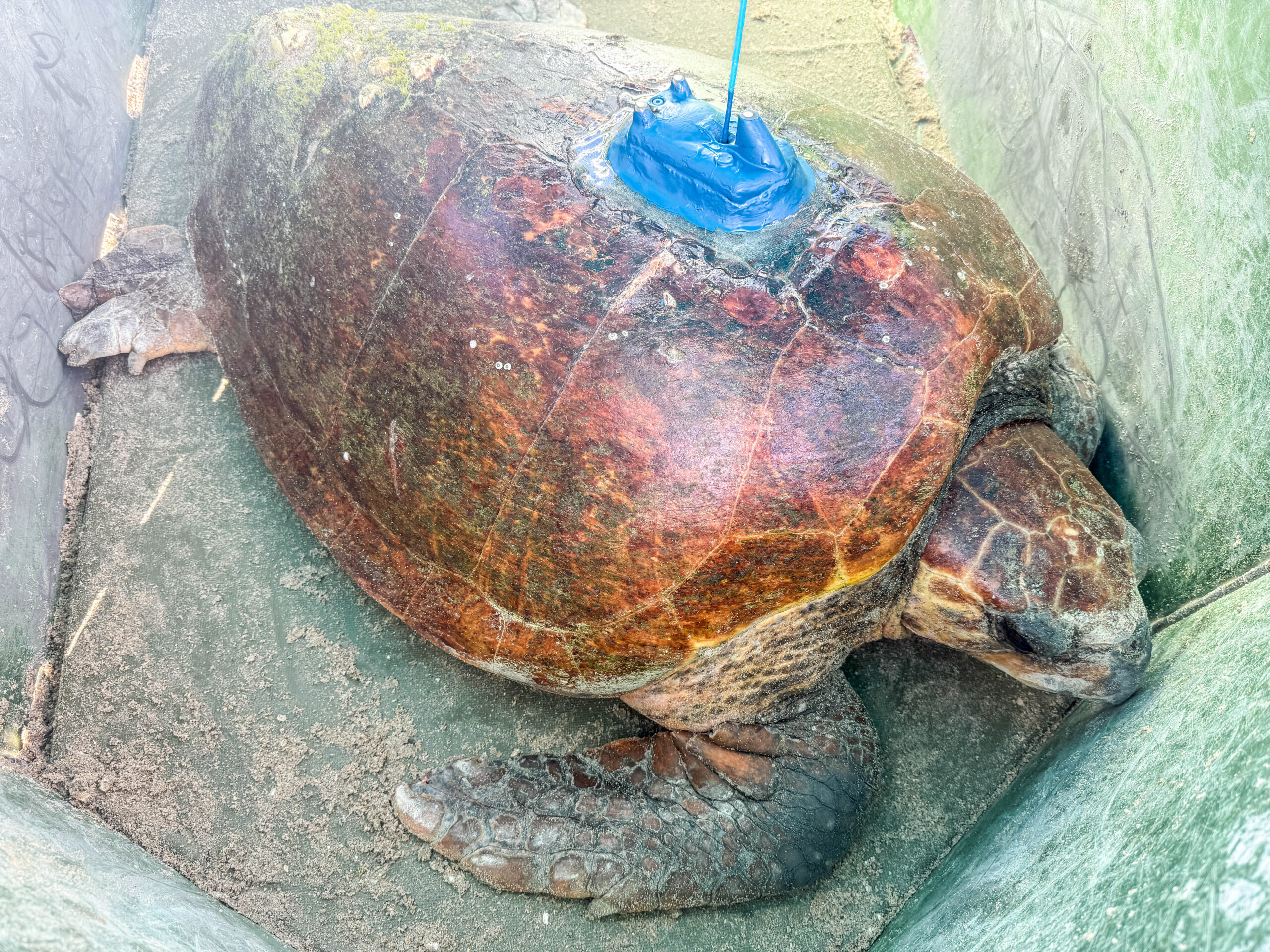
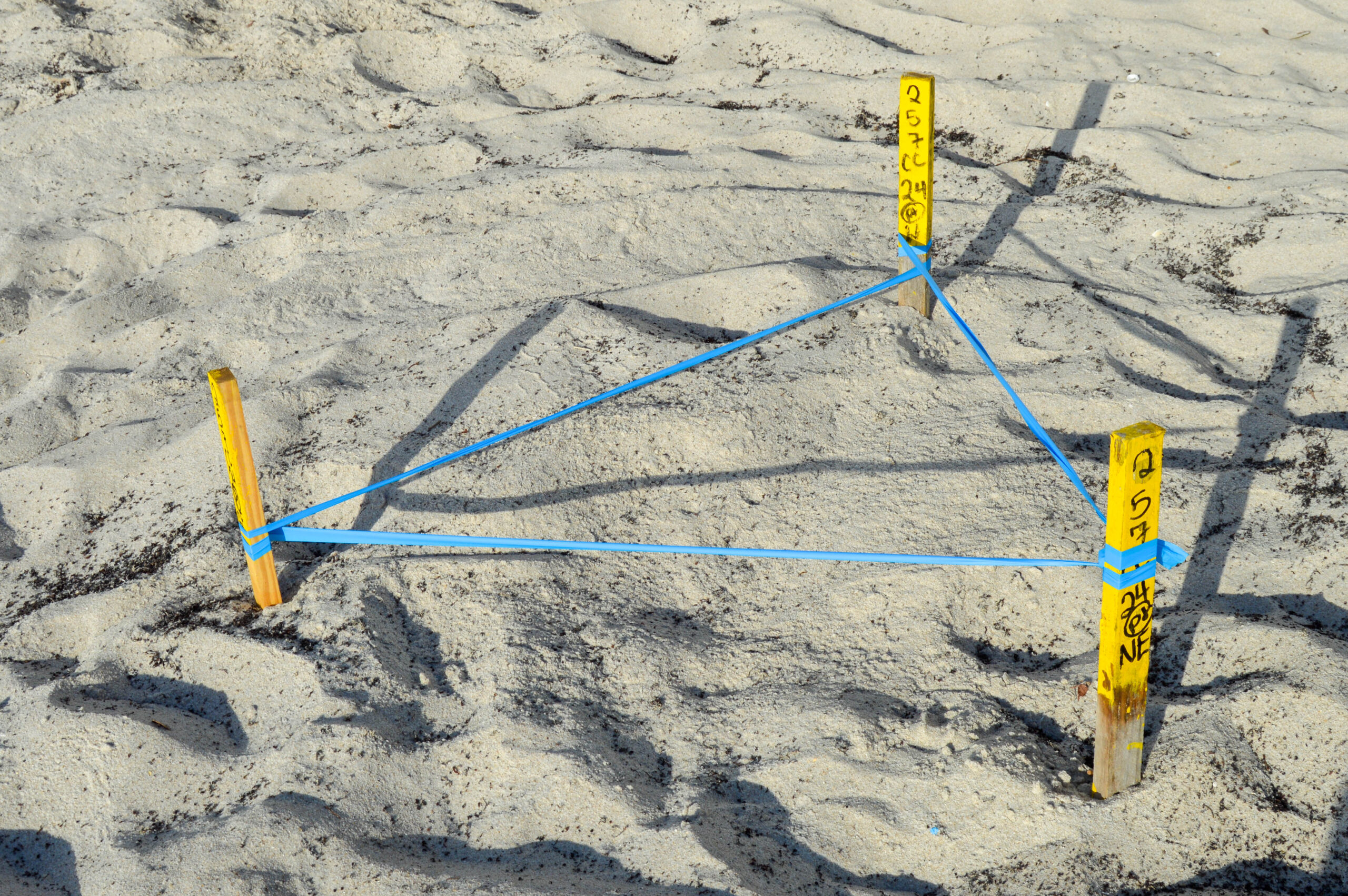
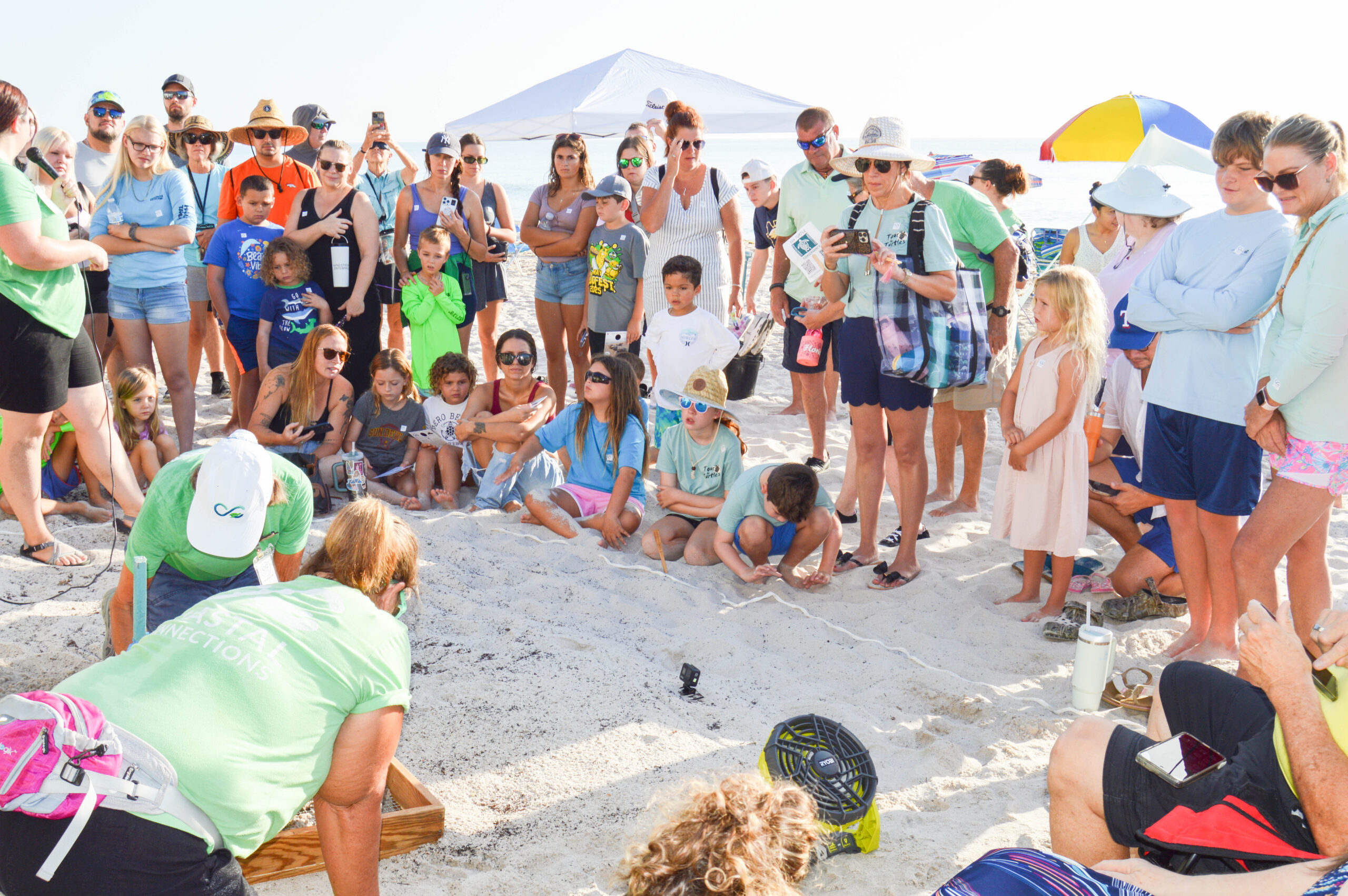
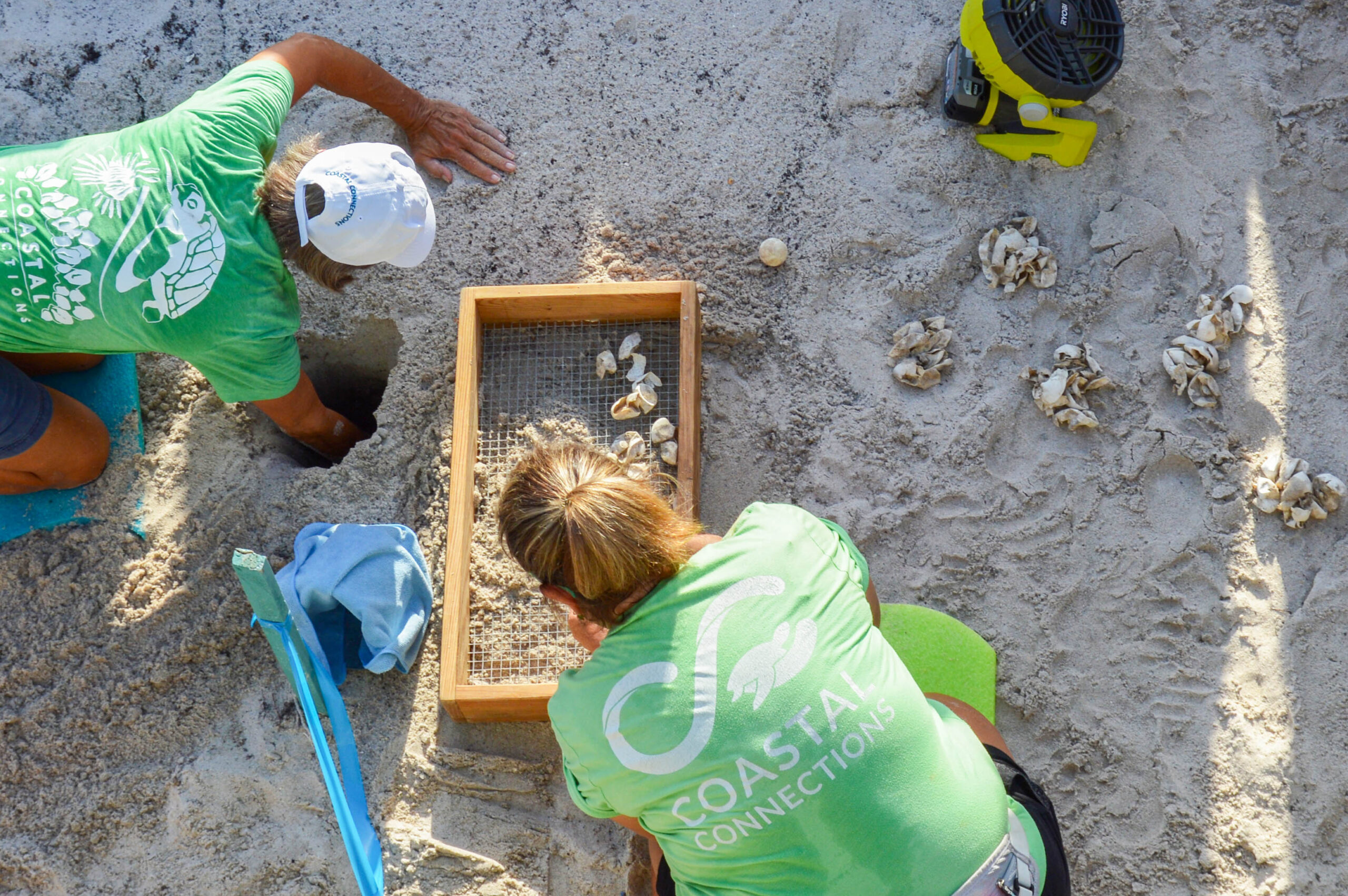
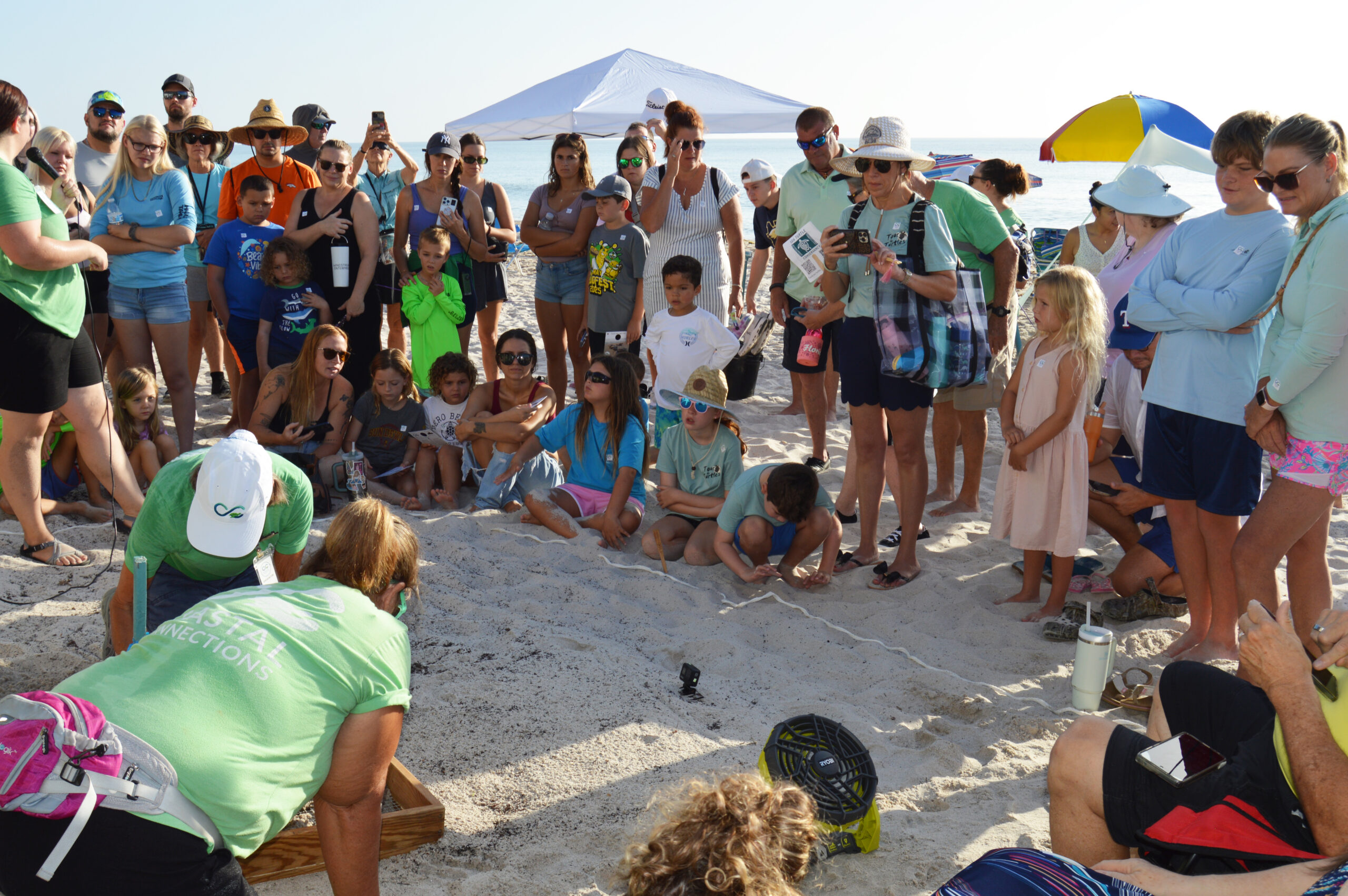
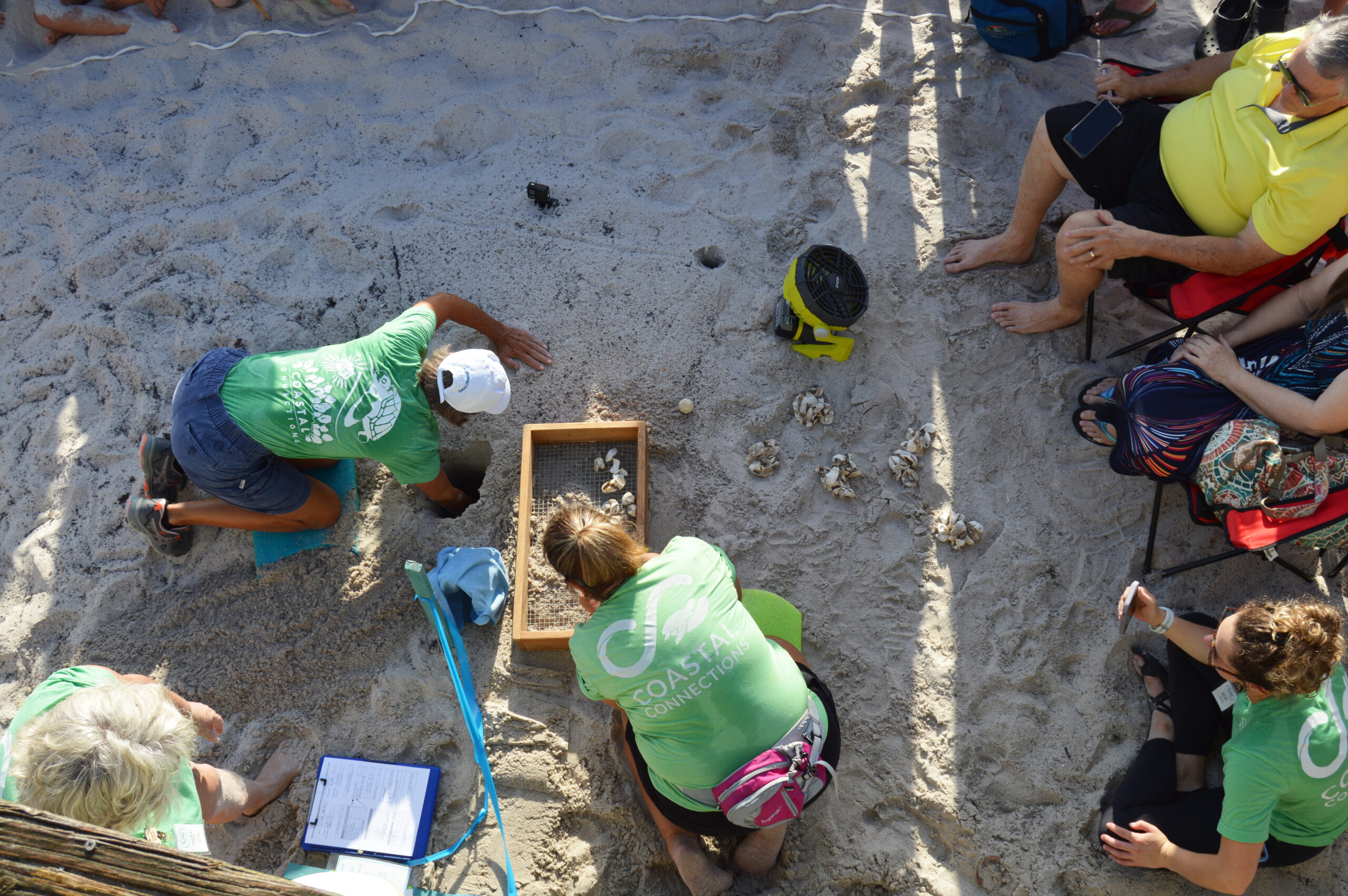
During the summer, folks have the opportunity to participate in a variety of sea turtle experiences along the Treasure Coast, including nighttime walks to see turtles dig their nests and deposit their eggs, morning turtle digs, where newly hatched nests are assessed, and turtle releases, where adults are tagged so their voyages can be tracked.
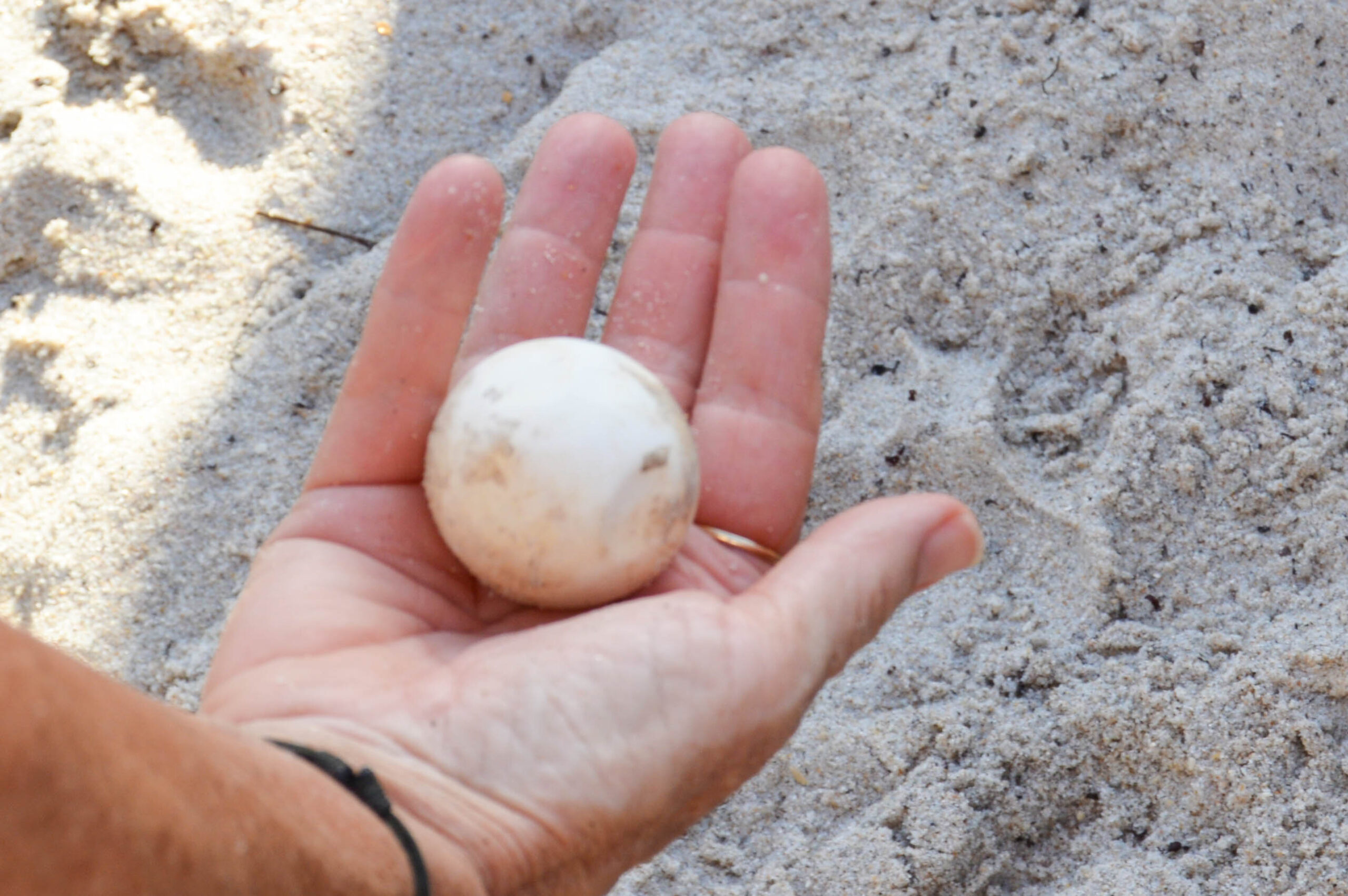
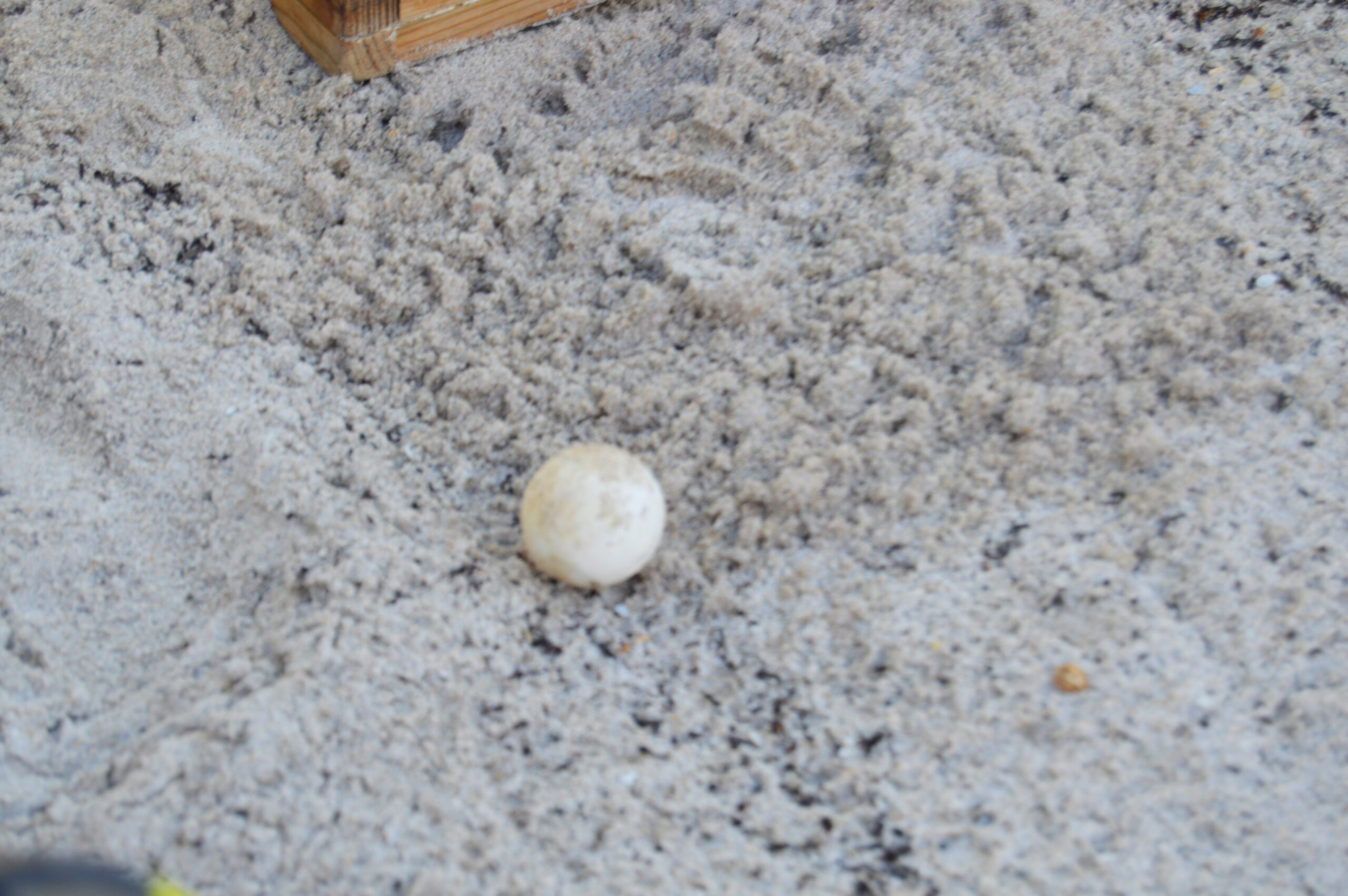
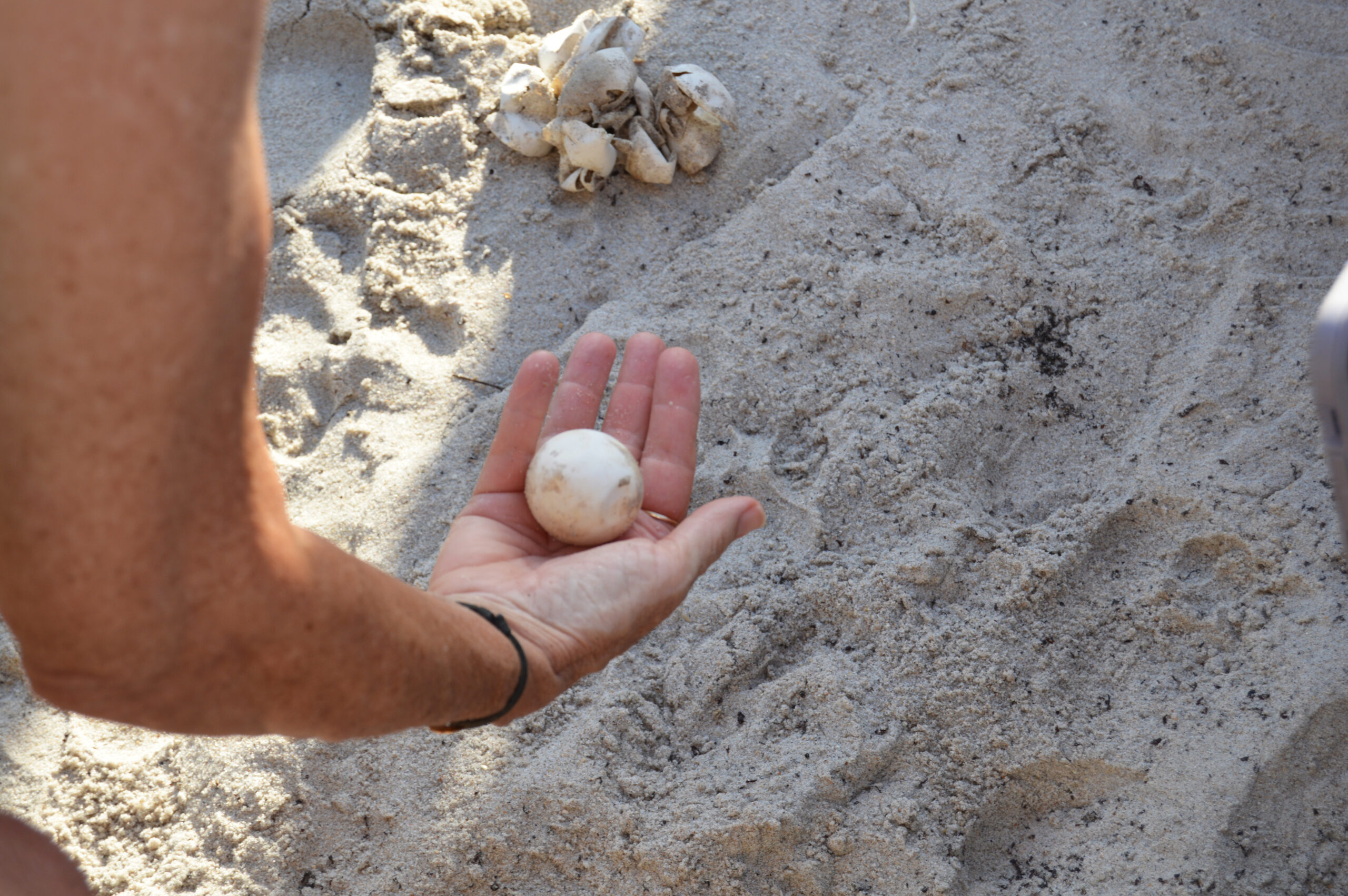
During one of the July turtle digs near the Driftwood Resort, she pointed out that there wasn’t any sign of tampering, from humans or animals, and all but one egg in the clutch had hatched.
By the end of July, Coastal Connections staff and volunteers had recorded 154 nesting attempts within their education zone, from Humiston Beach Park to Kimpton Vero Beach Hotel & Spa. Of the 154 attempts, there were only 51 successful nests.
“That’s a 74 percent false crawl rate,” noted Bergman, adding that in 2023, the false crawl rate was 24 percent, meaning that it has nearly tripled in just two years.
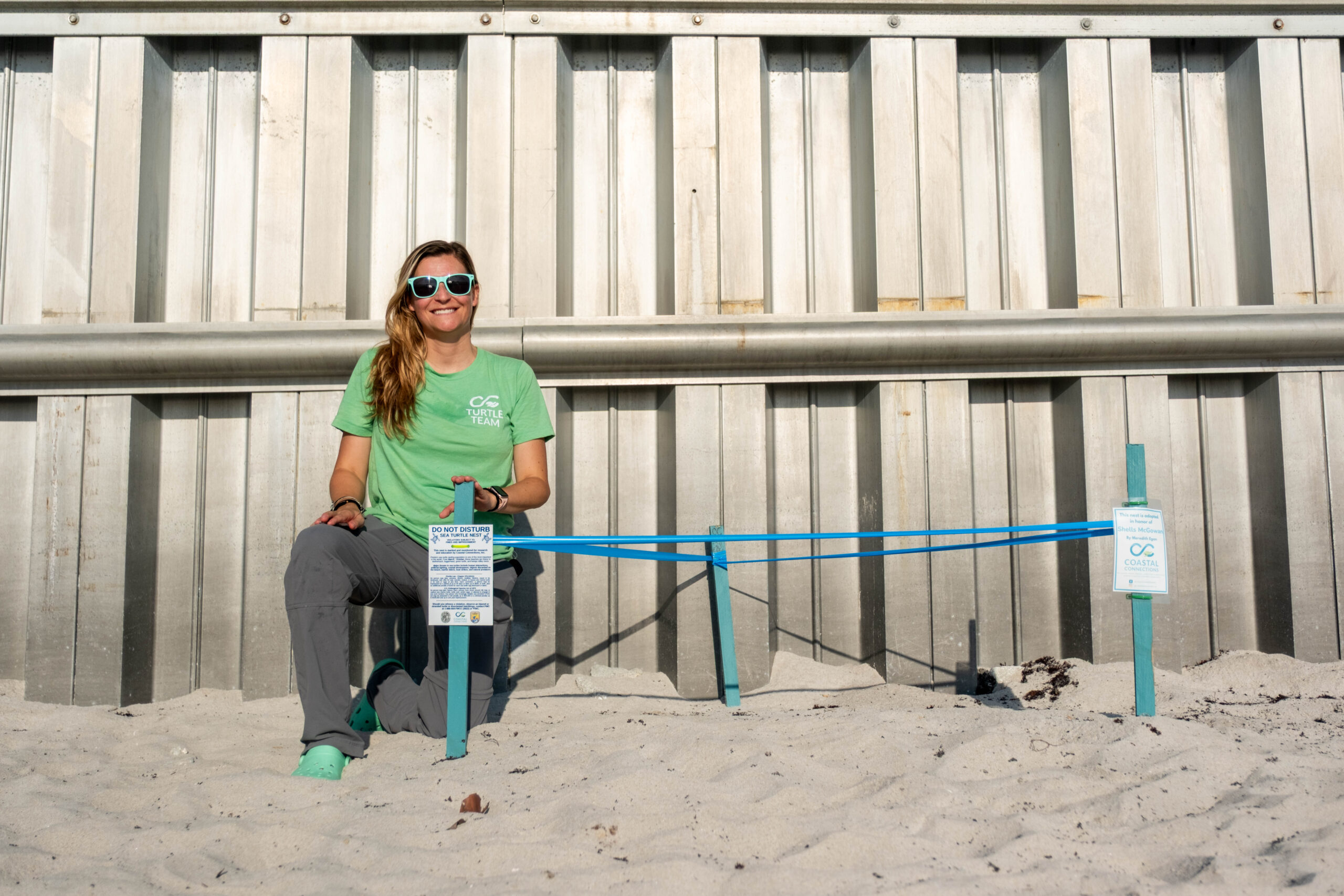
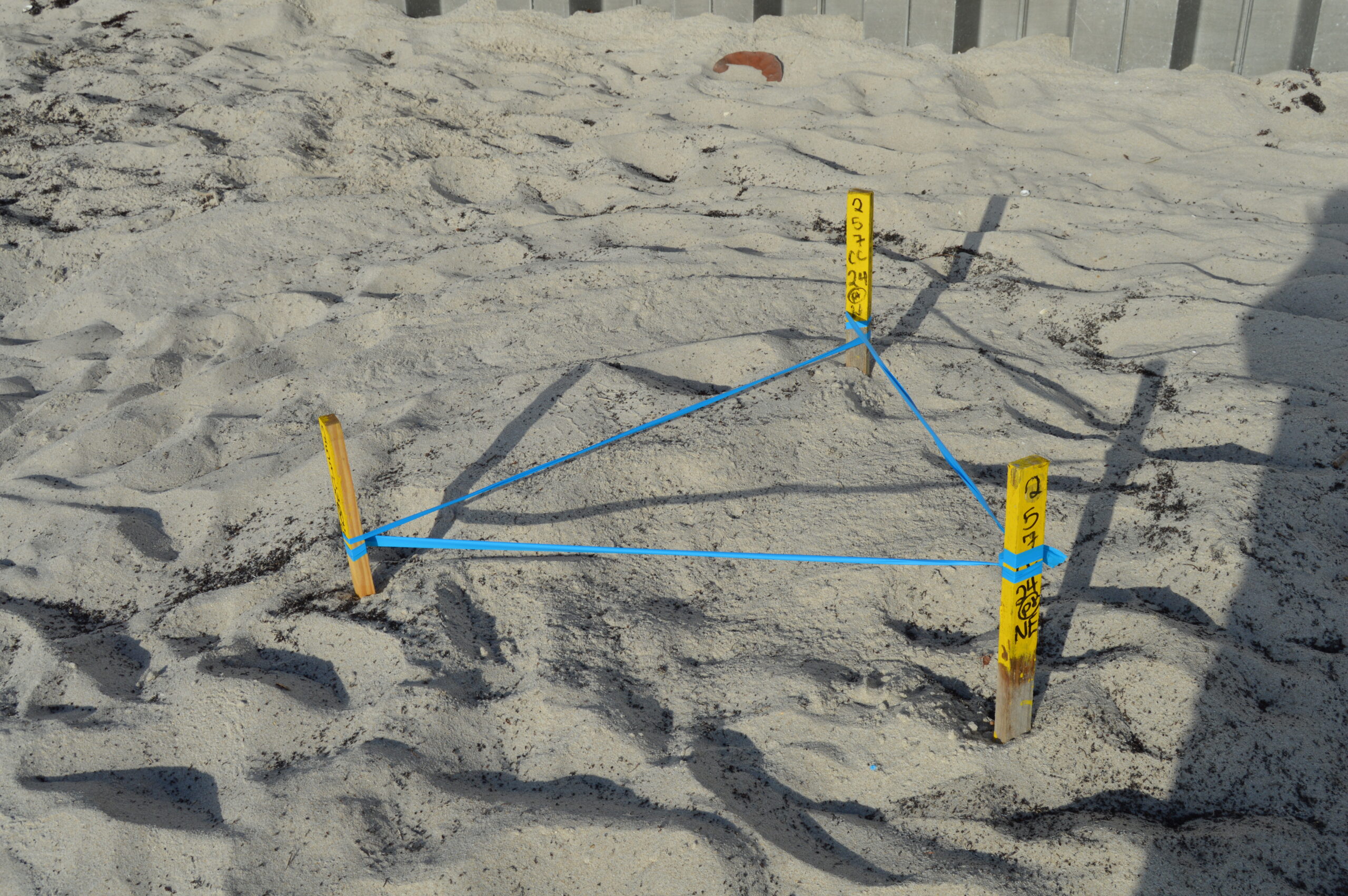
The organization’s team and volunteers conduct daily nesting surveys, marking new nests for protection and monitoring those that are ready to hatch. Unfortunately, this season they have noted a particularly significant issue that threatens this delicate process.
“One of the things that we’ve noticed this year is there’s been a significant uptick in people walking the beach after dark. There was one night in June when we had 152 people walking around or sitting on the beach after dark in a half-mile stretch. That’s a lot of people for a very small space,” said Bergman.
That increase in human presence is clearly having a direct, negative impact.
Sea turtles, which lack the ability to defend a nesting site, are therefore extremely skittish about where to lay their eggs. Shadows, noise and especially artificial lights can easily frighten a mother turtle back into the ocean.
“Anytime people are out on the beach and she sees shadows moving, or she sees people coming up and talking to her, touching her, that does spook our turtles,” said Bergman.
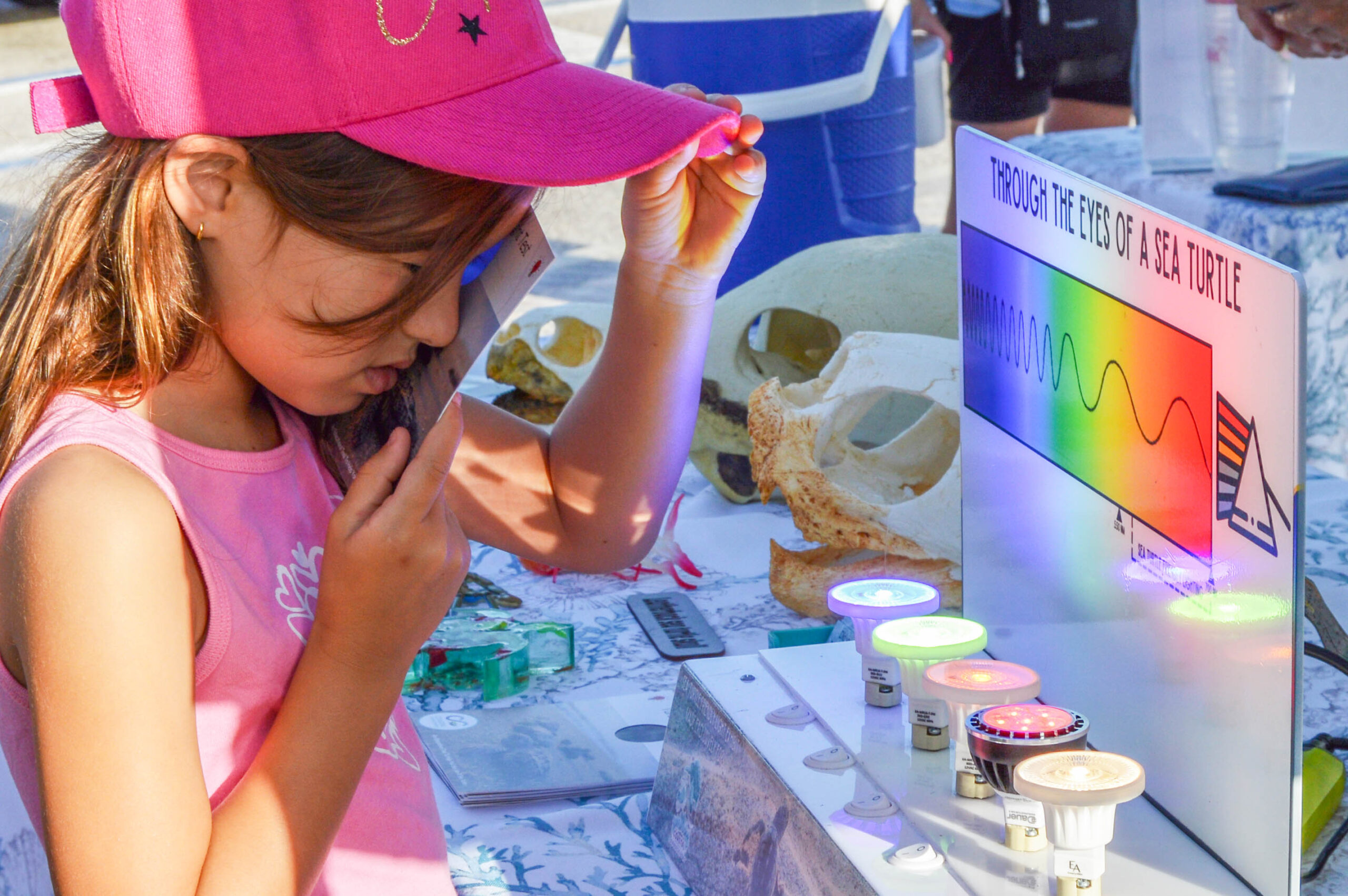
“Artificial lights are great for human eyes, but unfortunately, they can deter turtles from nesting, specifically white lights,” she added.
The data from the high-traffic beach area near our local hotels paints a stark picture, and accounts for the false crawl to nesting ratio soaring to 74 percent. Additionally, she said, the total number of nesting attempts is not as high as in the past, meaning that turtles are not even trying to nest due to human interference.
While a local lighting ordinance prohibits artificial light from being visible along the beach, many people don’t realize that this also applies to handheld flashlights.
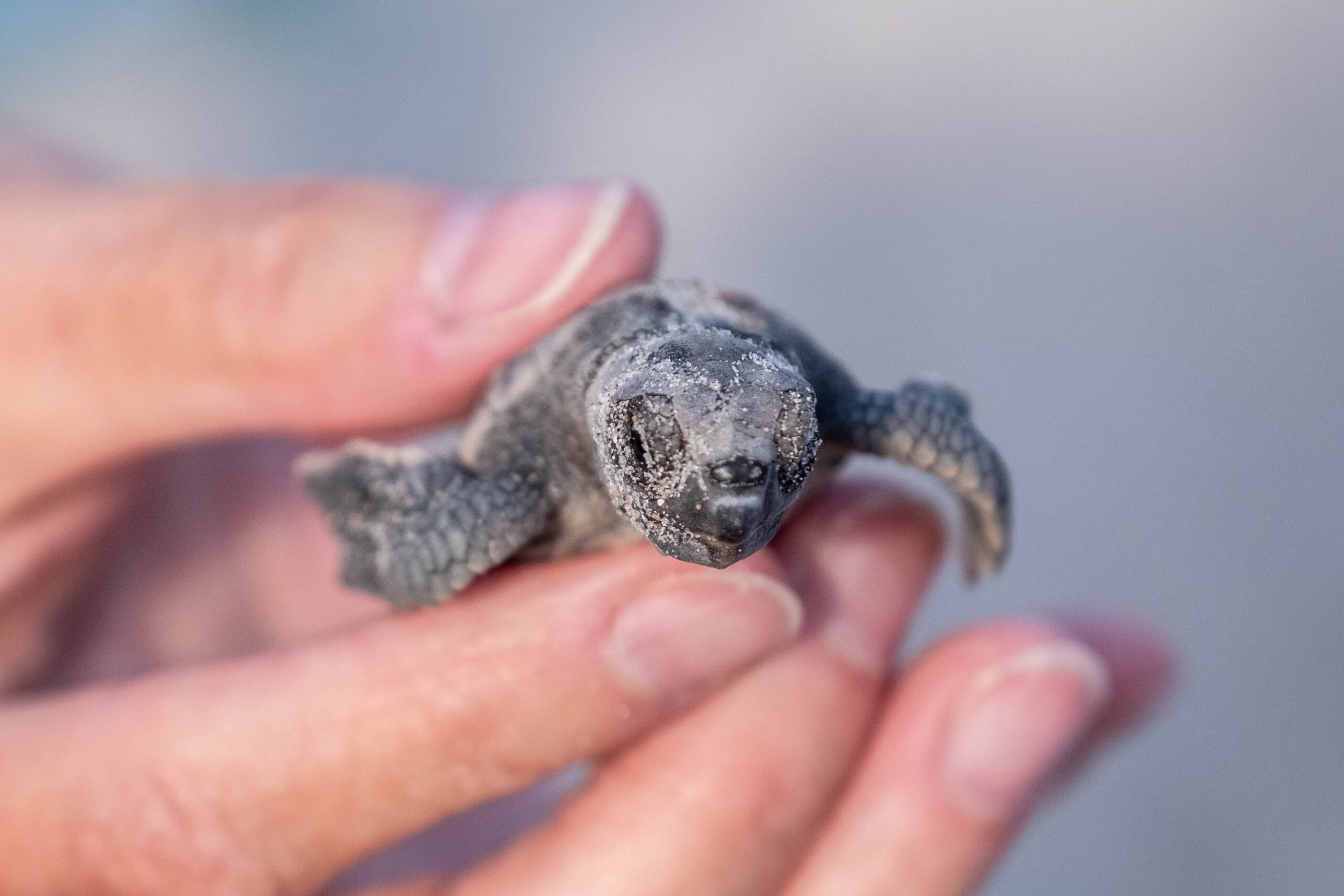
Lighting is equally dangerous for hatchlings, who emerge from the nest and naturally orient themselves to the light of the moon over the water. Bright inland lights cause them to crawl away from the ocean, where they are likely to succumb to predators, dehydration or being run over by cars.
Coastal Connections emphasizes that if you must be on the beach at night, proper etiquette is crucial for the turtles’ survival. They urge residents and visitors to follow these simple guidelines to protect nesting mothers and their hatchlings:
• Avoid using any lights on the beach, especially white flashlights from cell phones or other devices. If a light is necessary, use a certified turtle-safe, long-wavelength red light.
• Fill in any holes and knock down sandcastles; both can trap nesting mothers and tiny hatchlings. Leave the beach flat when you depart.
• Remove all trash, chairs, and toys from the beach. These items can become deadly obstacles.
• If you encounter a sea turtle, give her space. Stay far away, remain quiet, and never shine a light on her.
• If you find a hatchling wandering alone during the day, do not put it in the water. Call the FWC Wildlife Hotline at 888-404-3922 for instructions.
Beyond the beaches, Coastal Connections is back in classrooms with their K-5 STEM education programs in partnership with the school district and the Learning Alliance.
“We believe that it’s important to educate every generation about marine conservation and the importance of sea turtles, from our youngest little ones all the way to our oldest residents.
Because we believe that everybody can make a difference and everyone can help save sea turtles,” said Bergman.
“Our kids are the next generation of influencers. They’re going to be the ones making a difference, and we want to make sure that students who live so close to such an incredible and unique natural resource can be introduced and enjoy that natural resource from the very beginning,” she added.
The nonprofit relies heavily on volunteers to achieve its mission of advancing sea turtle survival by educating and connecting people to the environment. Outreach includes experiences, conservation, sustainability initiatives, and education. In late September, Coastal Connections will host a volunteer orientation for anyone interested in supporting their efforts.
On Sept. 20, Coastal Connections will host the International Coastal Cleanup. For more information, visit coastal-connections.org.
-
- PHOTO BY JOSHUA KODIS
-
- PHOTO BY JOSHUA KODIS
-
- PHOTO BY JOSHUA KODIS

-
- PHOTO BY JOSHUA KODIS
-
- PHOTO BY JOSHUA KODIS
-
- PHOTO BY JOSHUA KODIS
-
- PHOTO BY JOSHUA KODIS
-
- PHOTO BY JOSHUA KODIS

-
- PHOTO BY JOSHUA KODIS
-
- PHOTO BY JOSHUA KODIS
-
- PHOTO BY JOSHUA KODIS
-

- PHOTO BY JOSHUA KODIS
-
- PHOTO BY JOSHUA KODIS
-
- PHOTO BY JOSHUA KODIS
-

- PHOTO BY JOSHUA KODIS
-
- PHOTO BY JOSHUA KODIS
-

- PHOTO BY STEPHANIE LABAFF
-
- PHOTO BY STEPHANIE LABAFF
-

- PHOTO BY STEPHANIE LABAFF
-

- PHOTO BY STEPHANIE LABAFF
-
- PHOTO BY STEPHANIE LABAFF
-
- PHOTO BY STEPHANIE LABAFF
-

- PHOTO BY STEPHANIE LABAFF
-

- PHOTO BY STEPHANIE LABAFF
-
- PHOTO BY STEPHANIE LABAFF
-
- PHOTO BY STEPHANIE LABAFF
-

- PHOTO BY STEPHANIE LABAFF