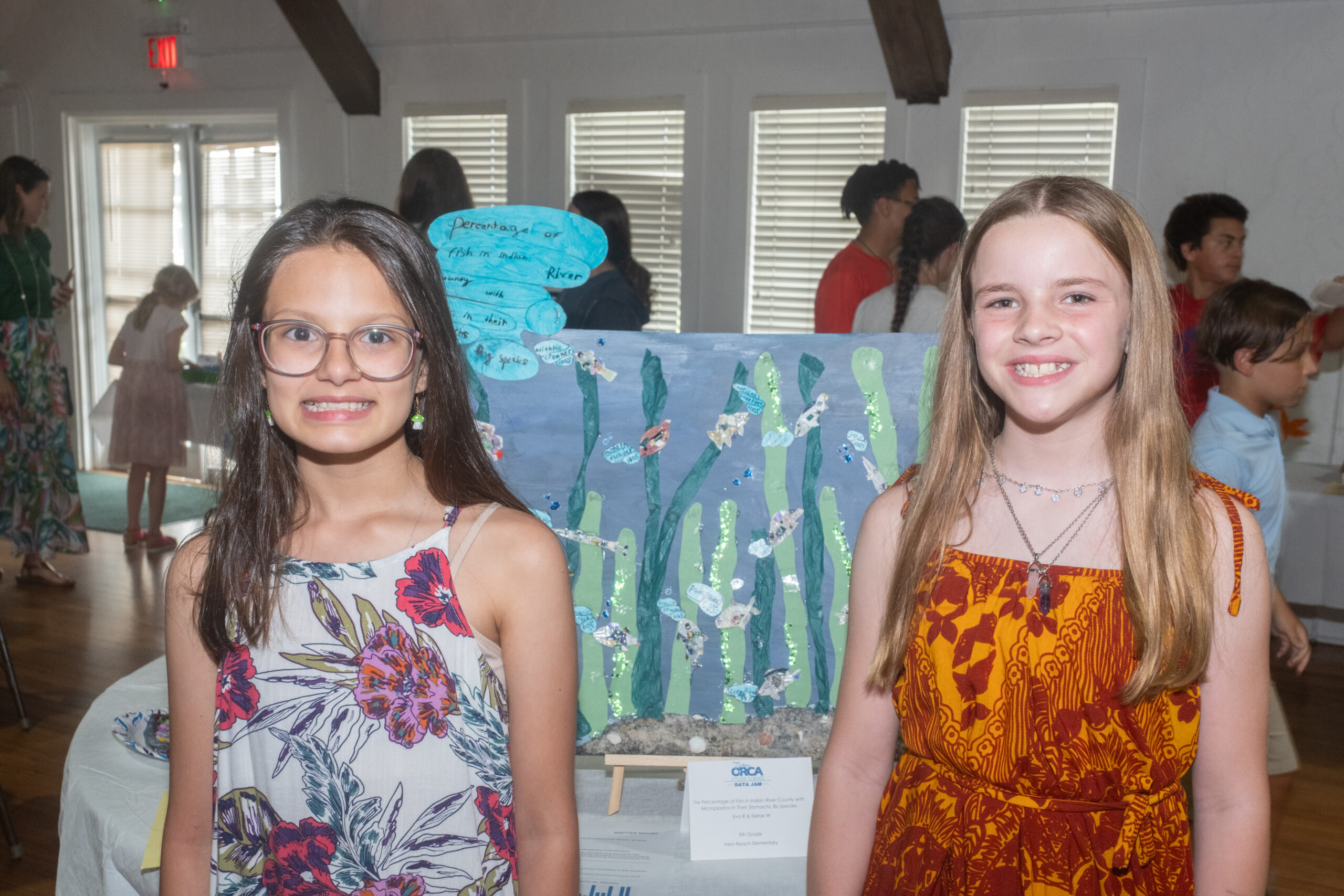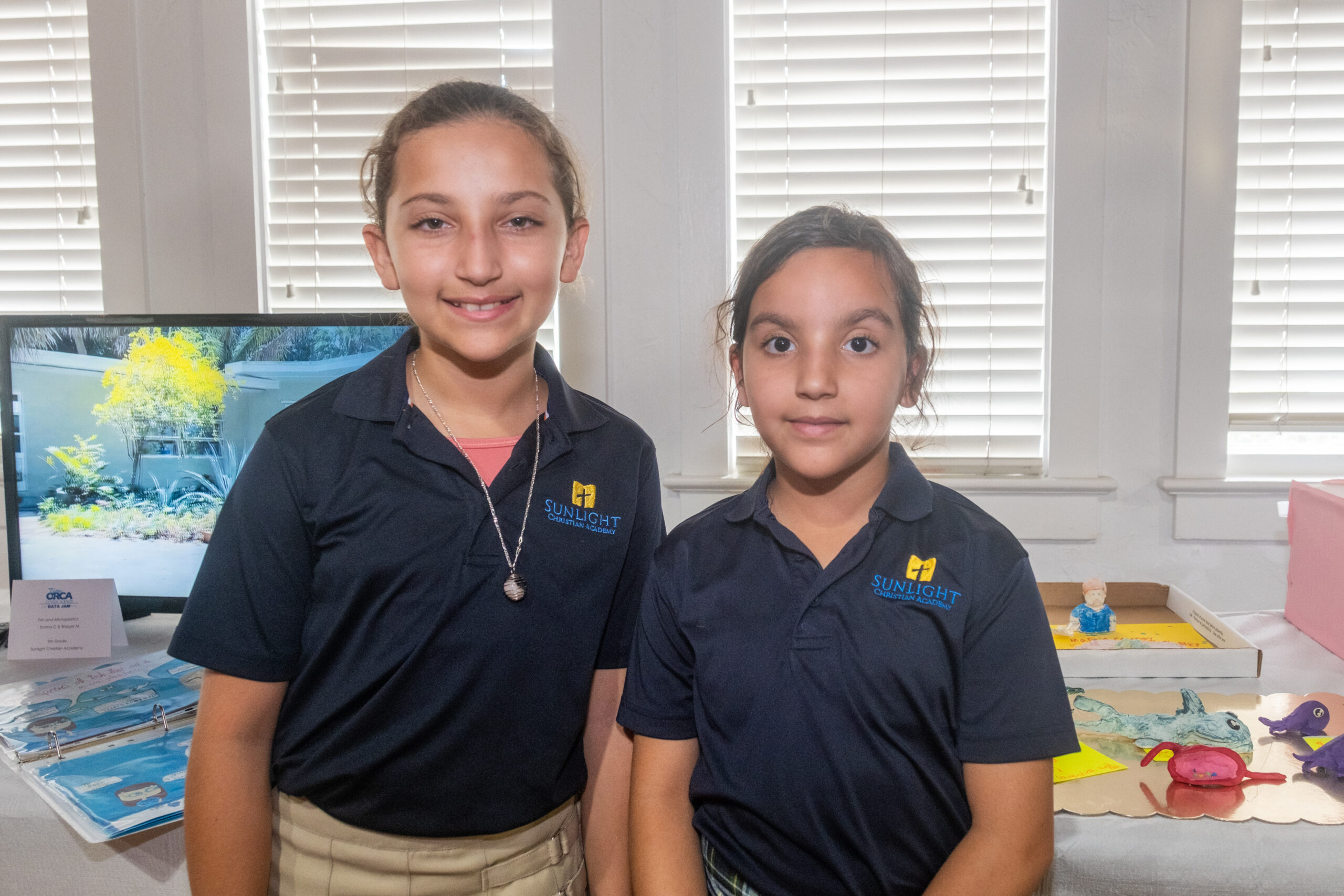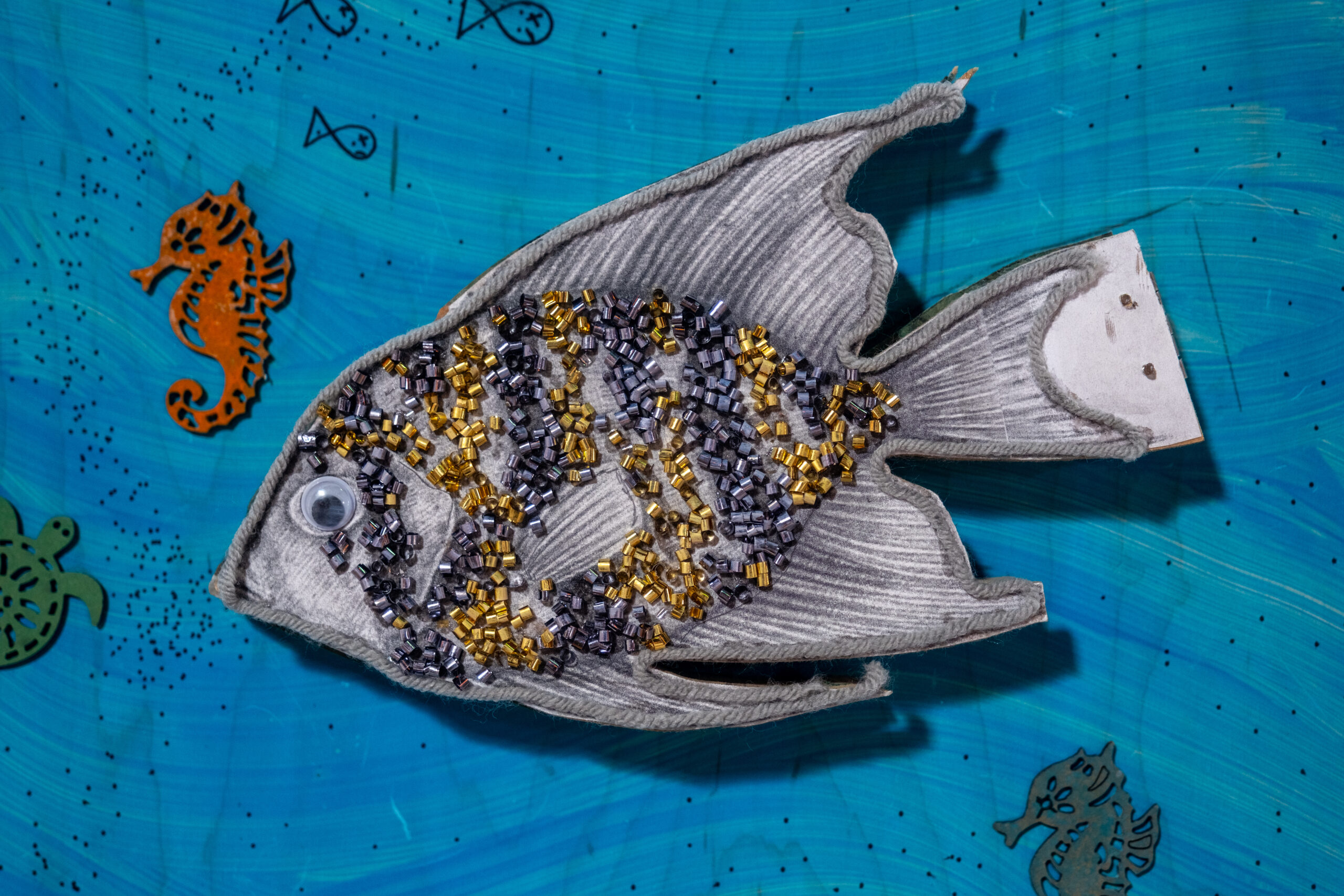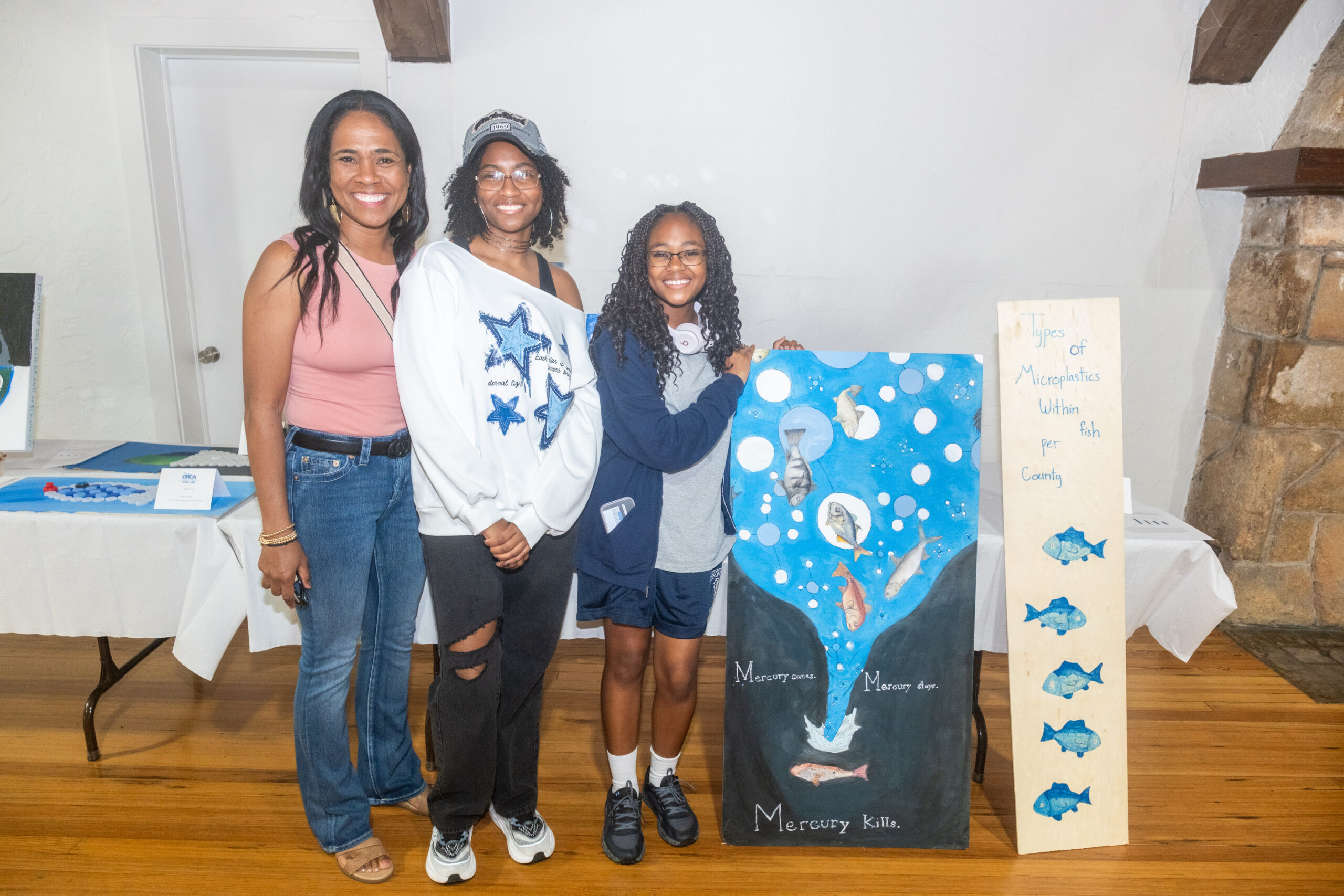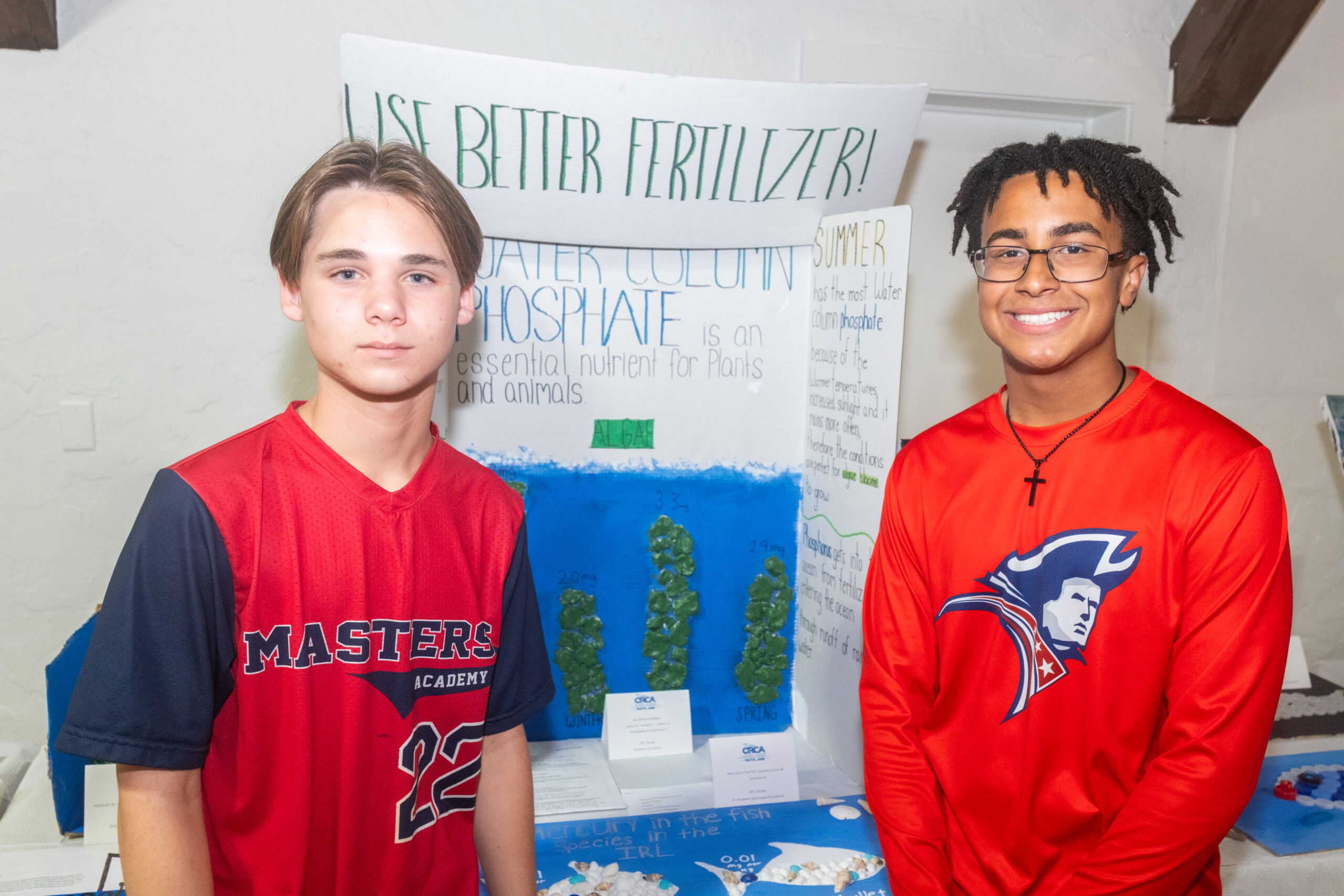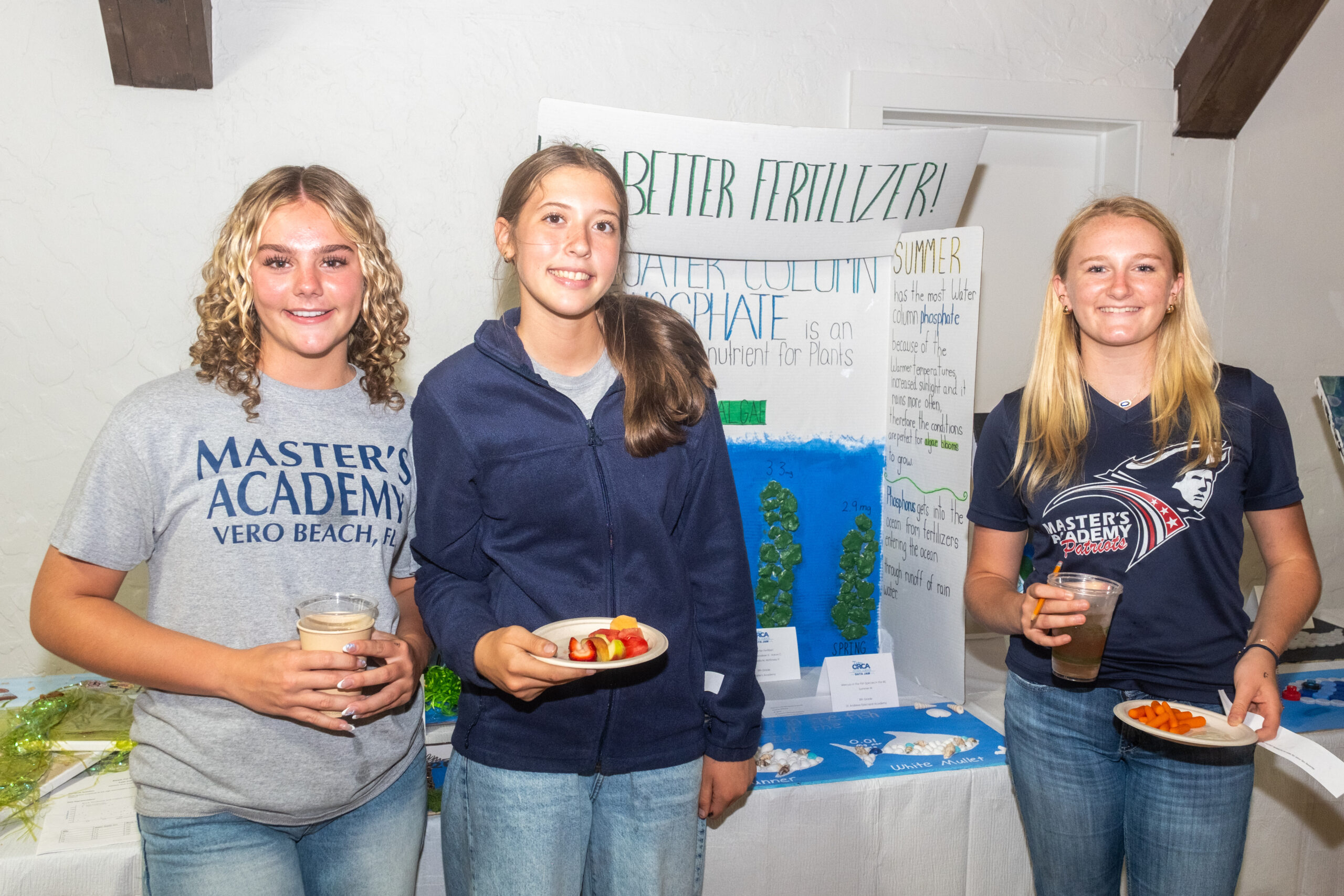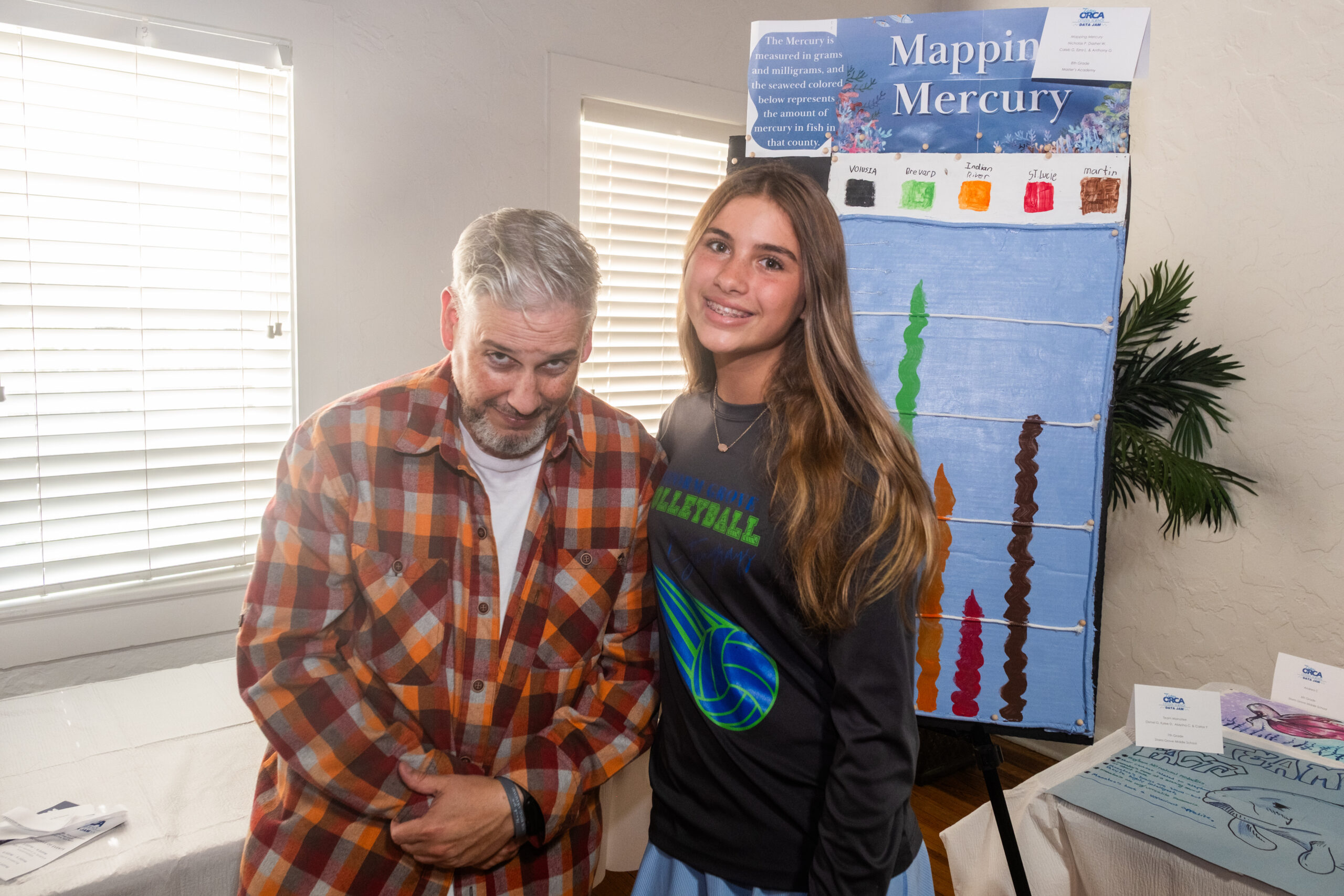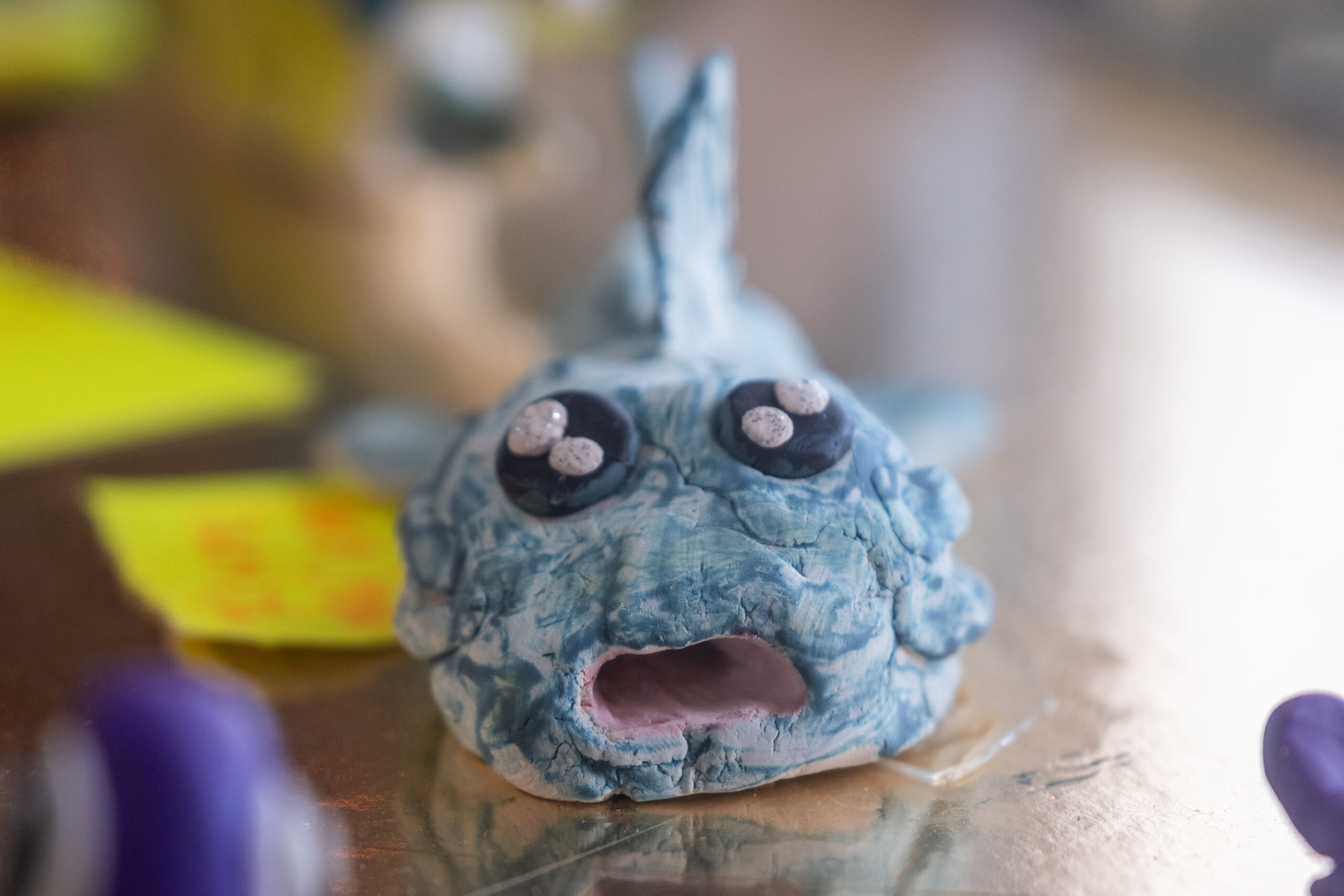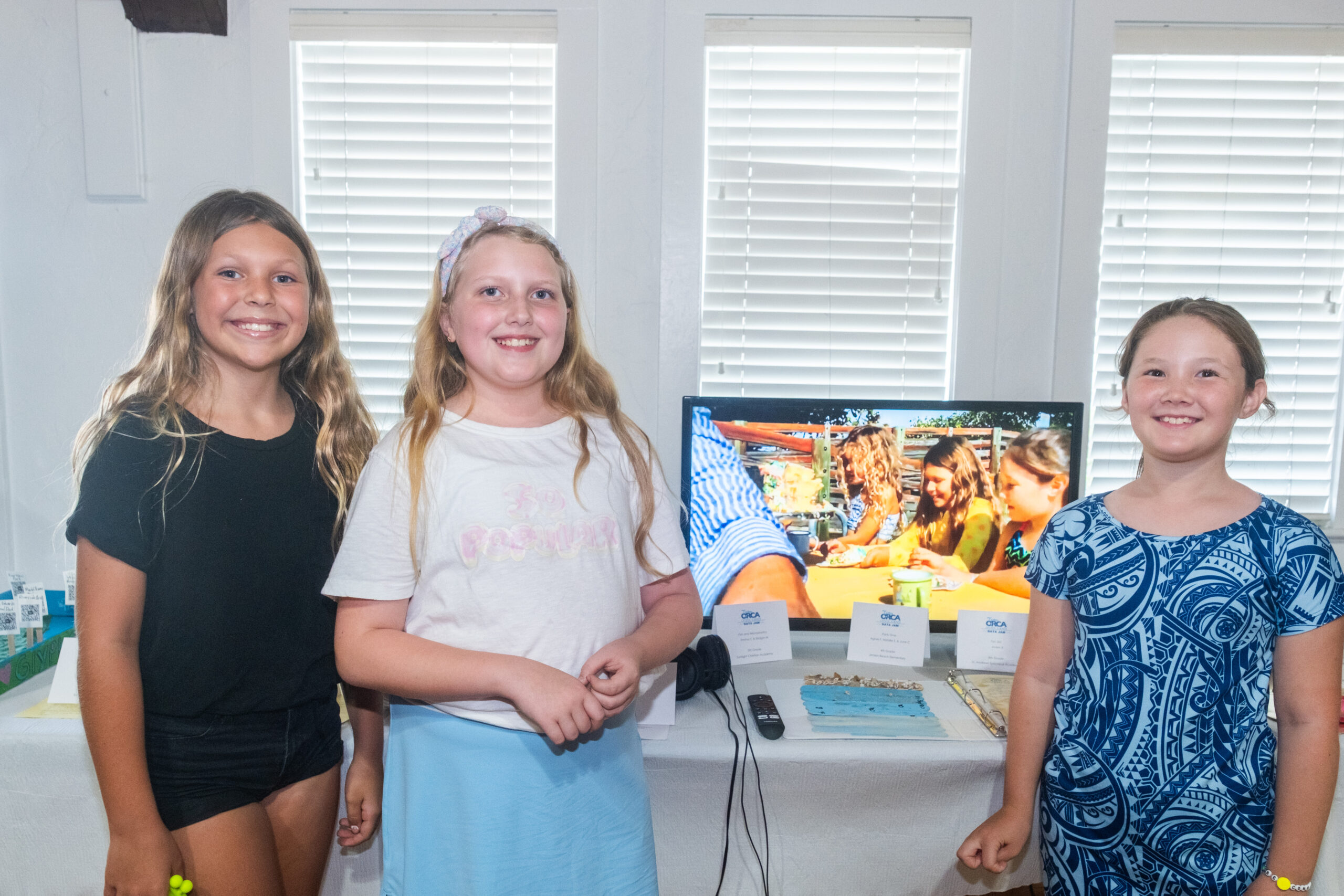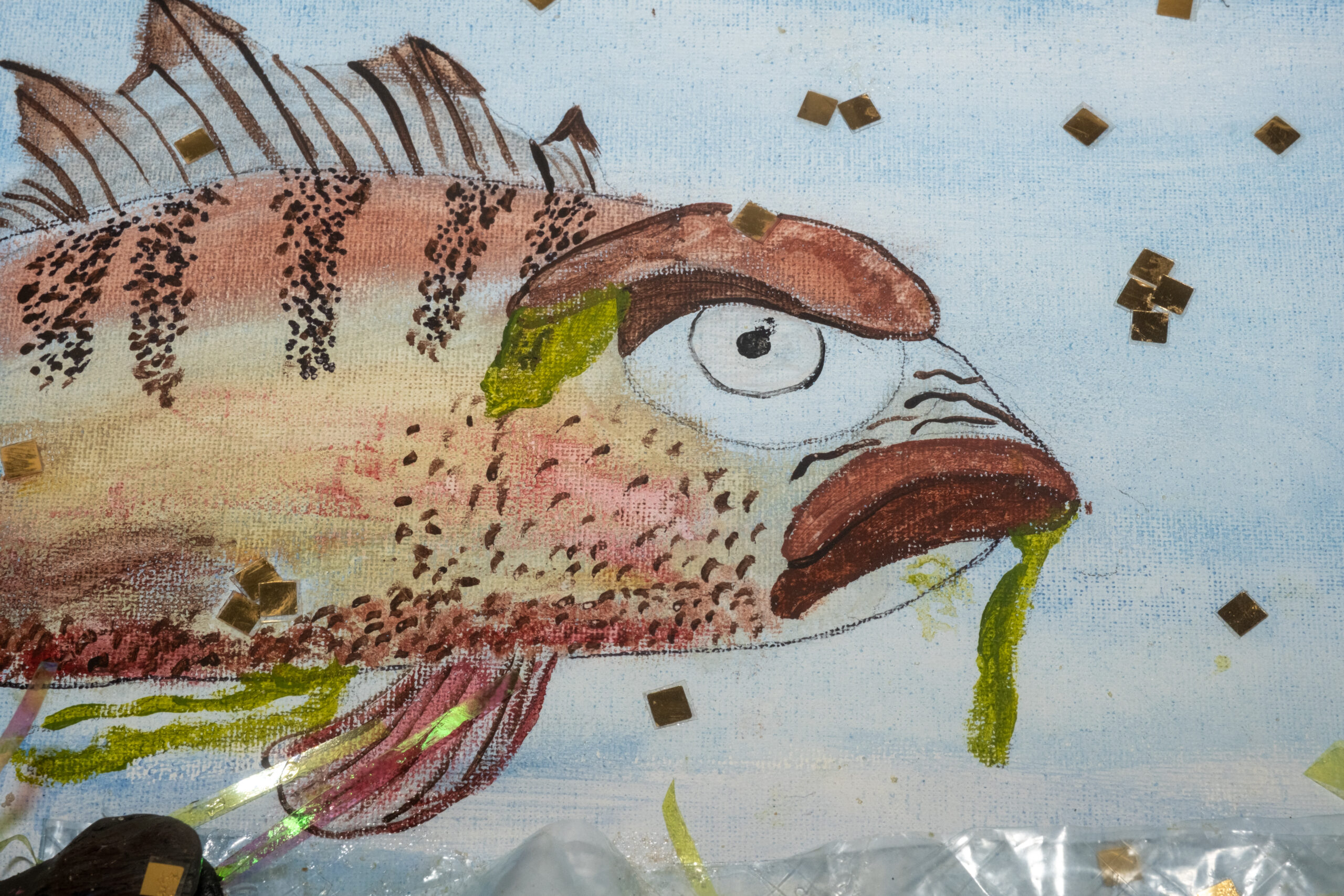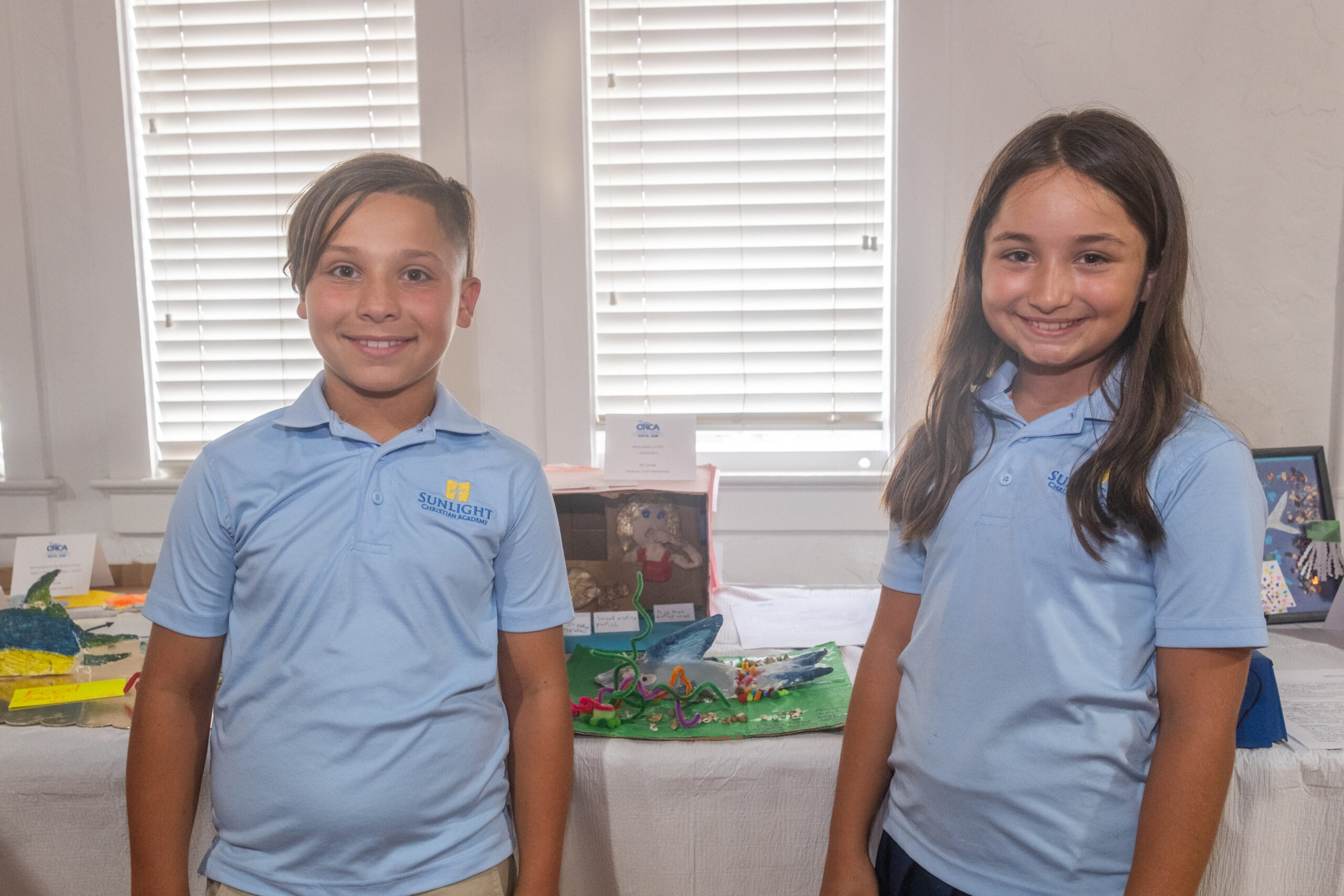
Embracing the principle that science and art are teammates, the fourth annual ORCA Data Jam, hosted by the Ocean Research and Conservation Association, invited students to create works of art based on scientific data. The goal is make science fun and engaging, while at the same time generating interest in protecting our natural resources, particularly those issues negatively impacting the Indian River Lagoon.
ORCA works to protect and restore aquatic ecosystems and marine life through innovative technologies, science-based conservation action, community education and outreach programs such as Data Jam.
Data is collected through their Day in the Life Program, which collects water samples along the 156-mile stretch of the lagoon on one day in October to determine water quality; their One Health Fish Monitoring project, which measures mercury in fish and the number and types of microplastics found in fish stomachs; and their Pollution Mapping data, which monitors toxins such as glyphosate, phosphate, nitrite and ammonia in sediments collected across 28 sites in the lagoon.
“We make our different data sets from our Citizen Science projects accessible to students and adults for them to analyze and then creatively interpret. This is our largest year. We have 80 art projects from 175 different students,” said ORCA education specialist Jasmine Schwadron.
[Editor’s note: Tragically, Schwadron was killed in a car accident not long after the event.]
Held this year at the Heritage Center, the room was filled with imaginative interpretations, such as diadems, graphics, paintings, sculptures and videos, each meant to artistically illustrate the data they chose to feature. There was even a Candy Land game called Fishy Land, complete with cards and playing pieces, as a way to demonstrate to players how much mercury is in each type of fish.
Participating schools included Treasure Coast Elementary, Pelican Island Elementary, Osceola Magnet, Vero Beach Elementary, Sunlight Christian Academy, Jensen Beach Elementary, Gifford Middle, Master’s Academy, Sebastian River Middle, St. Andrew’s Episcopal Academy, Touched by Grace Academy and Storm Grove Middle.
Prior to Data Jam, ORCA founder and CEO Edie Widder, Ph.D., and well-known clay artist Maria Sparsis, a former marine biologist, gave an informative presentation on ‘Why Art Matters in Science,’ exploring how creativity and scientific discovery intertwine to motivate change through a better understanding of the natural world.
For more information, visit TeamORCA.org.
Photos by Joshua Kodis